


Marketing Force
Core services to boost your marketing game.
Ideal for marketing and content teams
Starts At
$1,500 / mo$1,600 / mo


Scale creative production with a fully managed design subscription service that keeps campaigns moving and brand consistent.

We’ve worked with












Finally, a reliable on-demand design subscription service that scales up or down when your needs shift.

Adjust your on-demand design subscription each month to fit your changing priorities and deadlines.

Get your creative assets on time so you never miss or postpone a campaign ever again.

Receive custom, top-quality assets that align with your brand guidelines and creative briefs.

Work with a dedicated design team and project manager that learns your brand and delivers consistently.
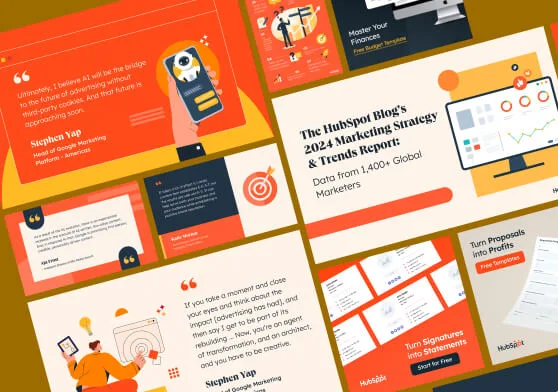
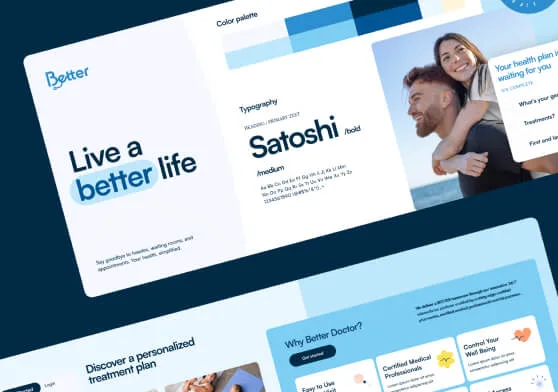

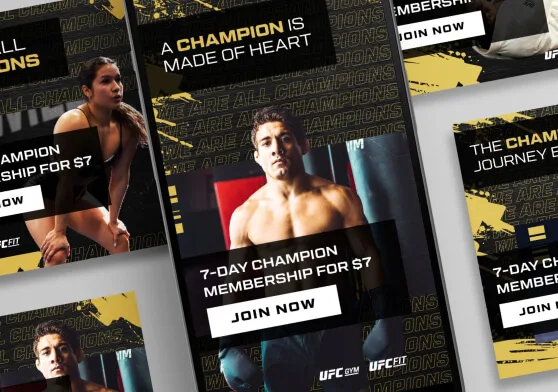
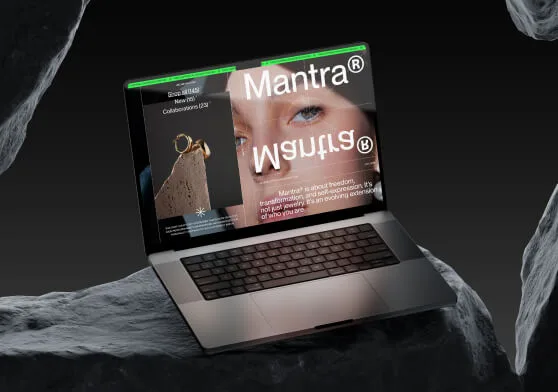
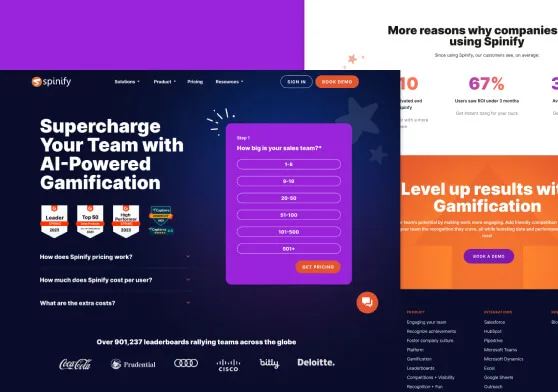
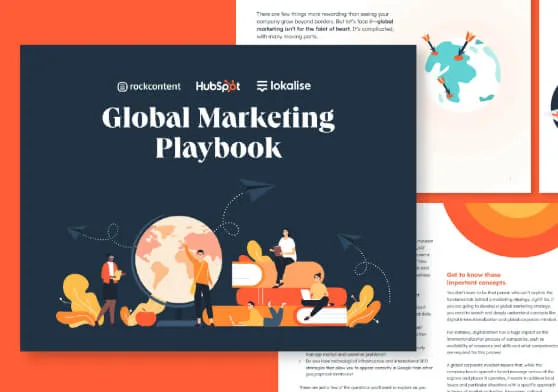
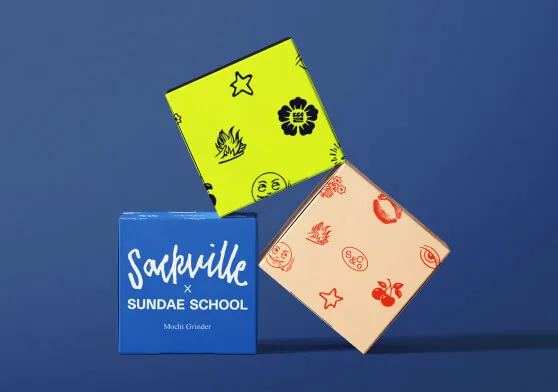
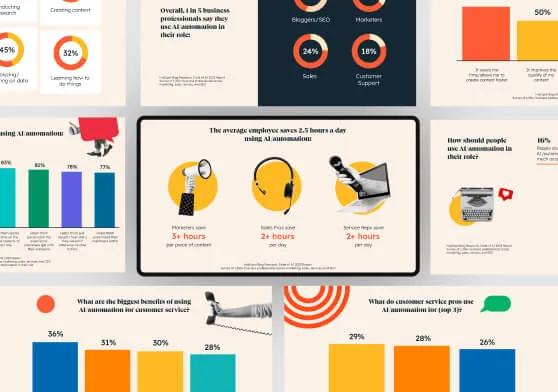
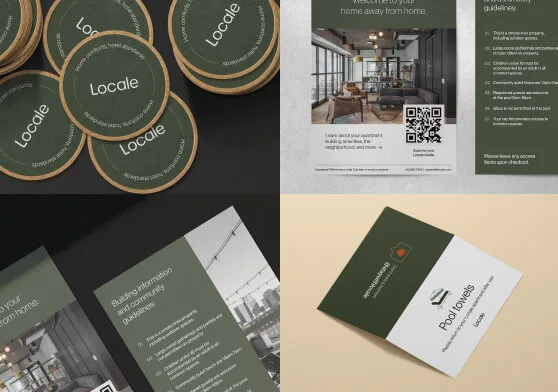
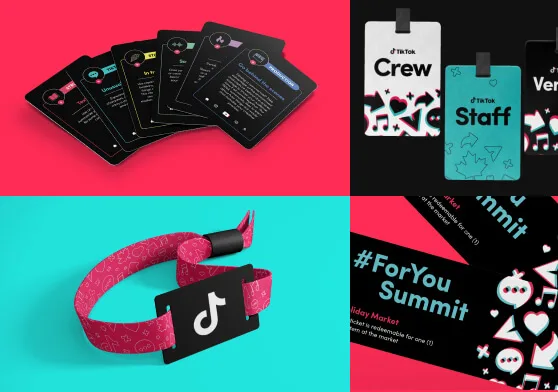

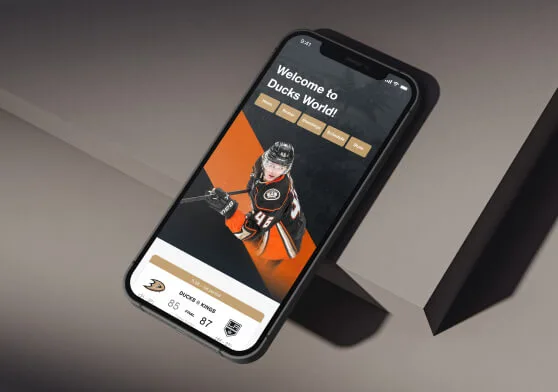

A design subscription that keeps strategy in-house while we handle production, process, and delivery.


Launch campaigns faster
Marketing teams rely on us for:

Extend your design team
Creative teams rely on us for:

Stay consistent as you scale
Brand teams rely on us for:

Keep releases on track
Product teams rely on us for:

Submit your project details.

We create your brand assets.

Share feedback. We refine.

Get final files. Ready to launch!
Get instant access to 50+ design capabilities and experts for any project.
Core services to boost your marketing game.
Ideal for marketing and content teams
Starts At
$1,500 / mo$1,600 / mo

Everything you need to scale and grow creative flows.
For enterprises and fast-growing teams
Starts At
$3,000 / mo$3,200 / mo

Comprehensive design services to enhance your impact.
Best suited for product marketing teams
Starts At
$2,250 / mo$2,400 / mo
Break free from creative roadblocks with a flexible design subscription that fits into your workflows.
See how our Design as Service helps teams move faster while staying on-brand.

“A team that understood our vision from the start and brought every creative piece together seamlessly.”
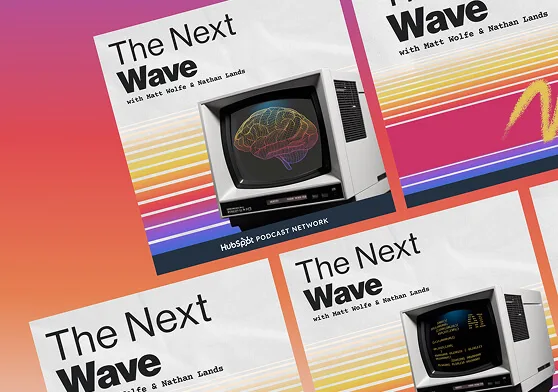
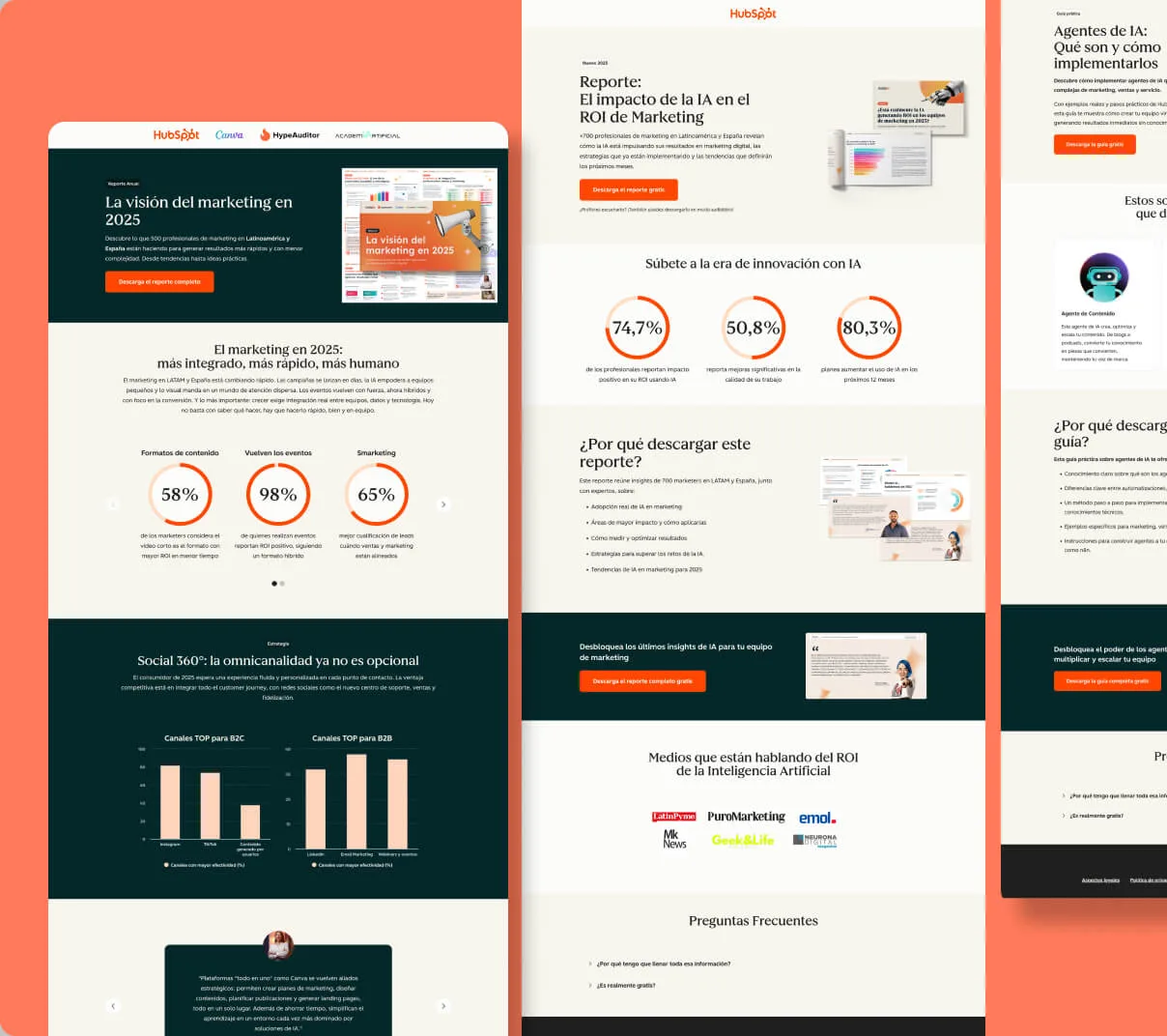
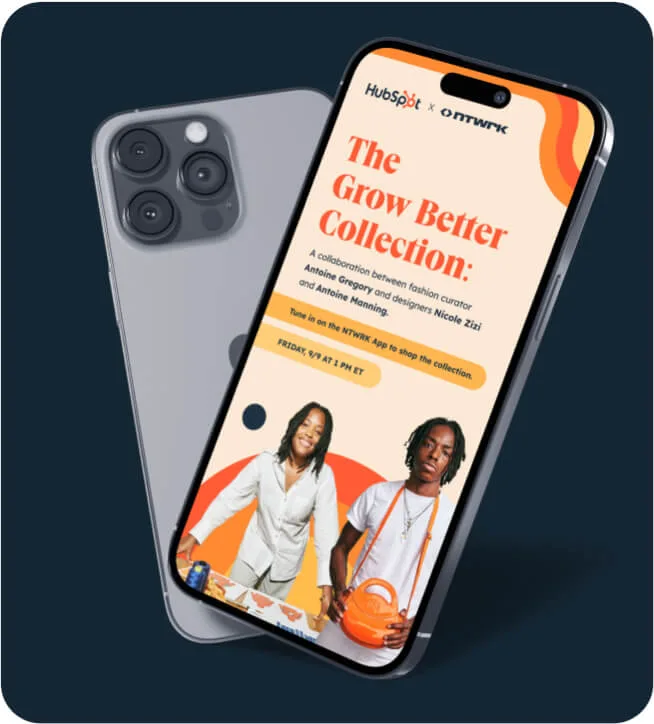
HubSpot scales large reports and campaigns with Design Force, generating thousands of leads, meeting every deadline, and ensuring global brand consistency across all assets.
Lorena from HubSpot

“With Design Force's partnership, we get them done faster, more efficiently, and just much better.”
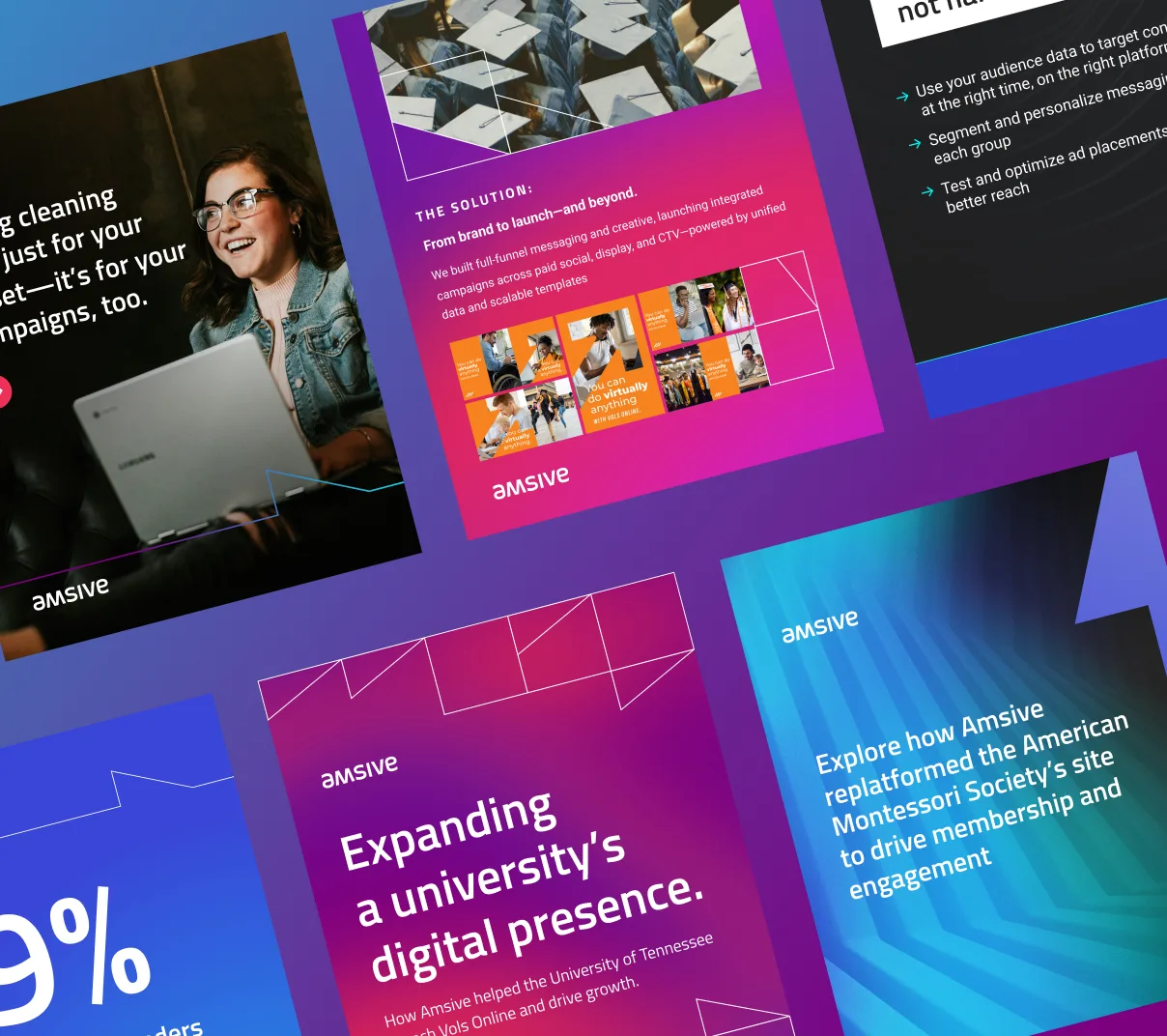
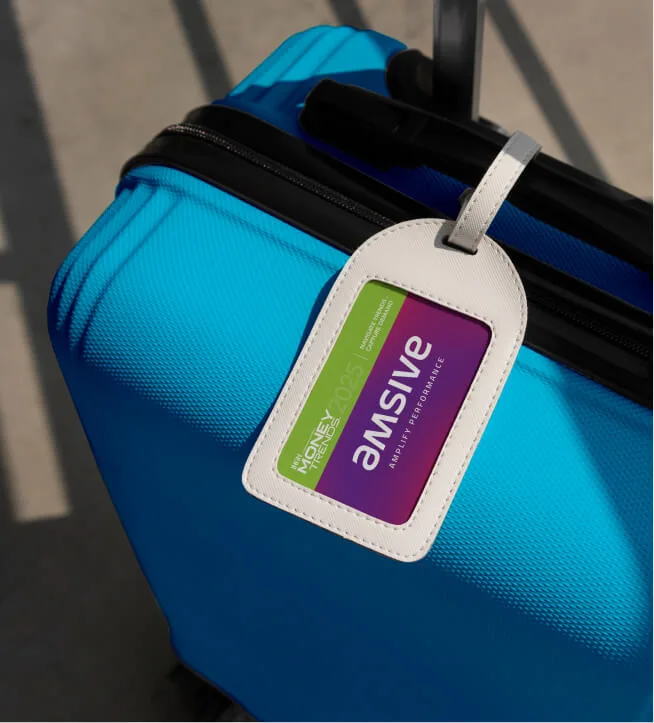
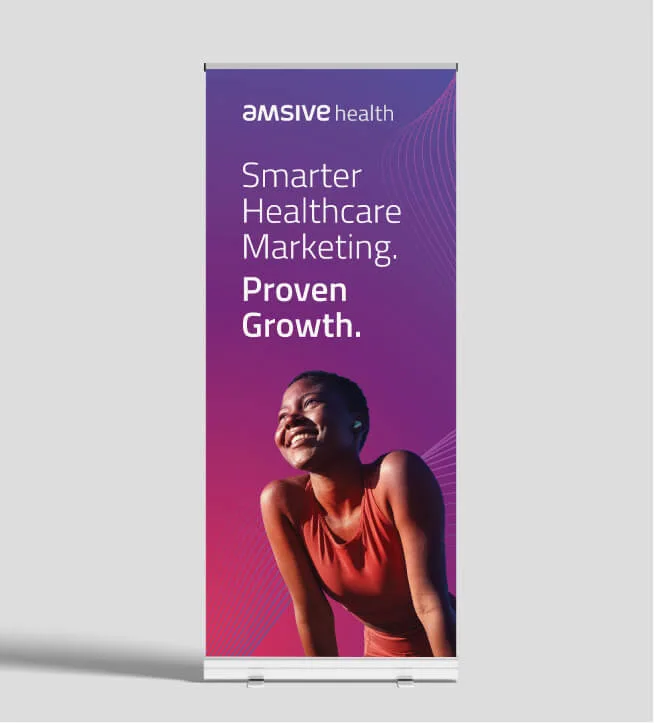
Amsive shifts from manual production to strategic growth with Design Force, utilizing a professional iteration process to clear creative hurdles and keep its marketing team focused on strategic elements.
Leih from Amsive

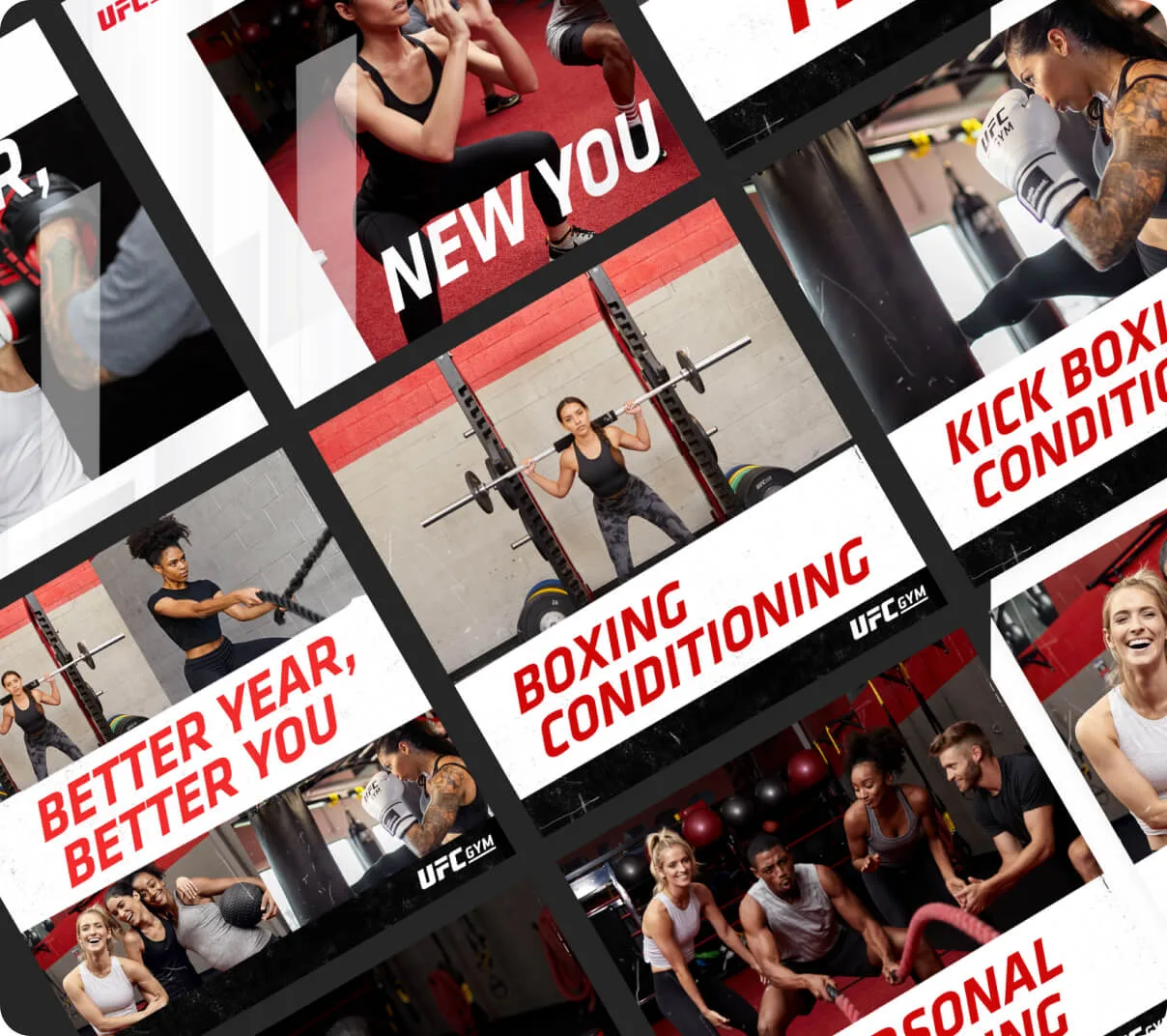
“Their dedication to understanding and aligning with our brand's vision has been instrumental in achieving success”
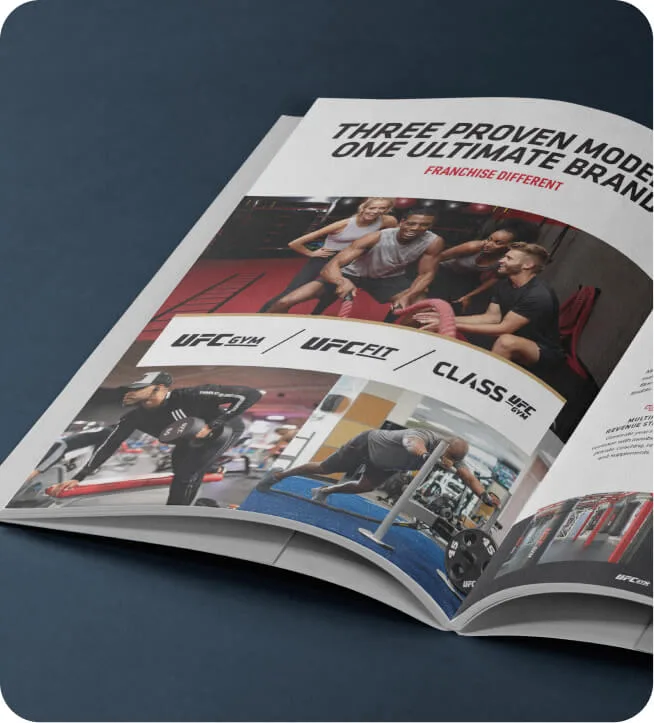
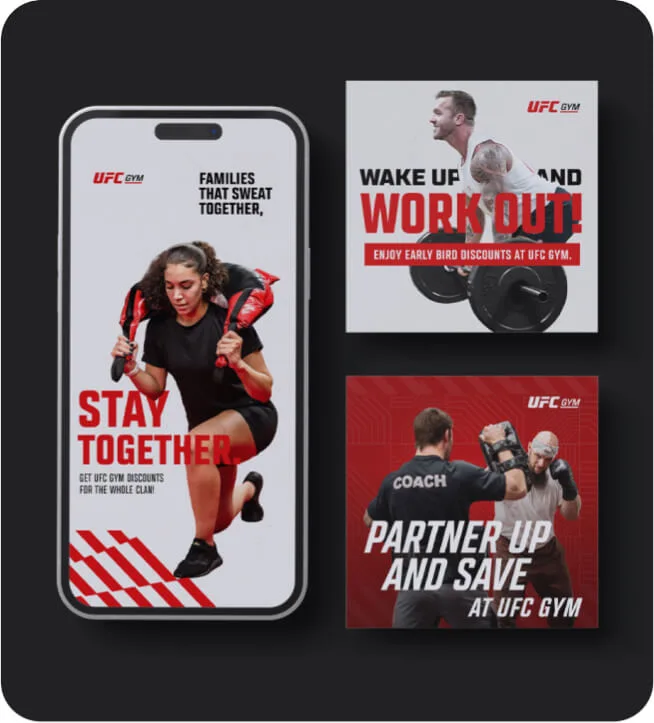
I highly recommend Design Force’s expertise in brand management and their ability to create cohesive and professional creative assets.
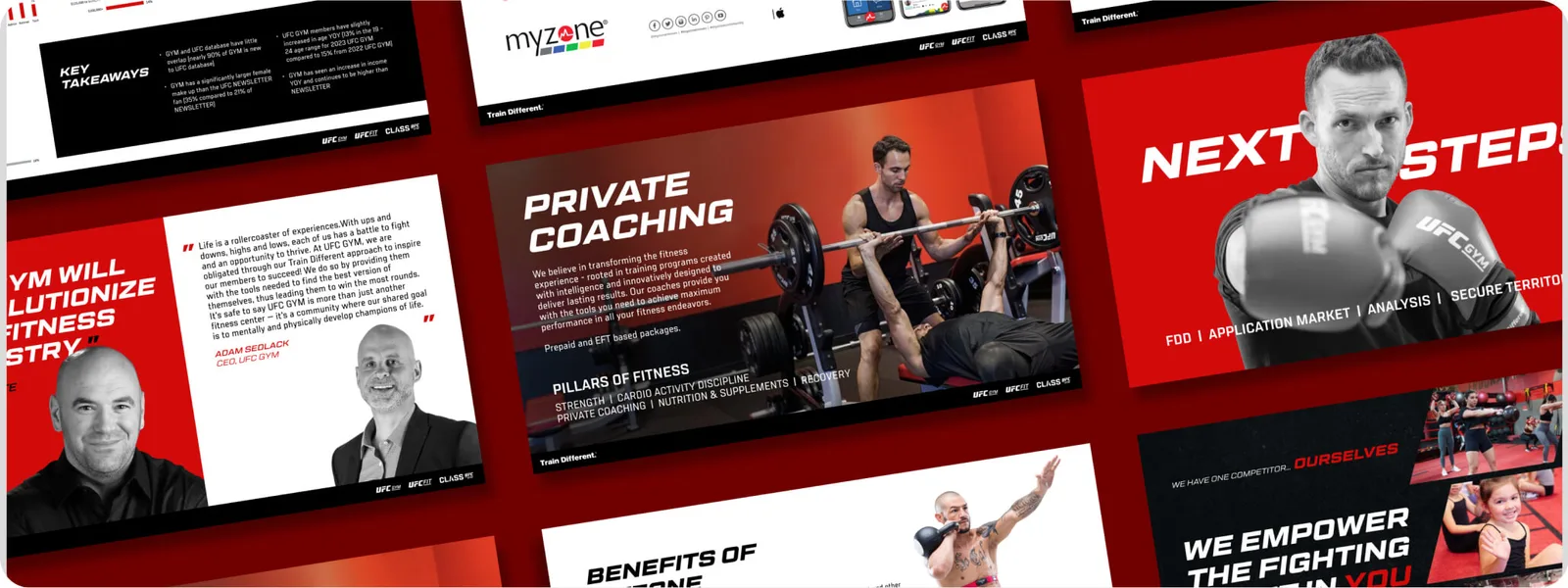
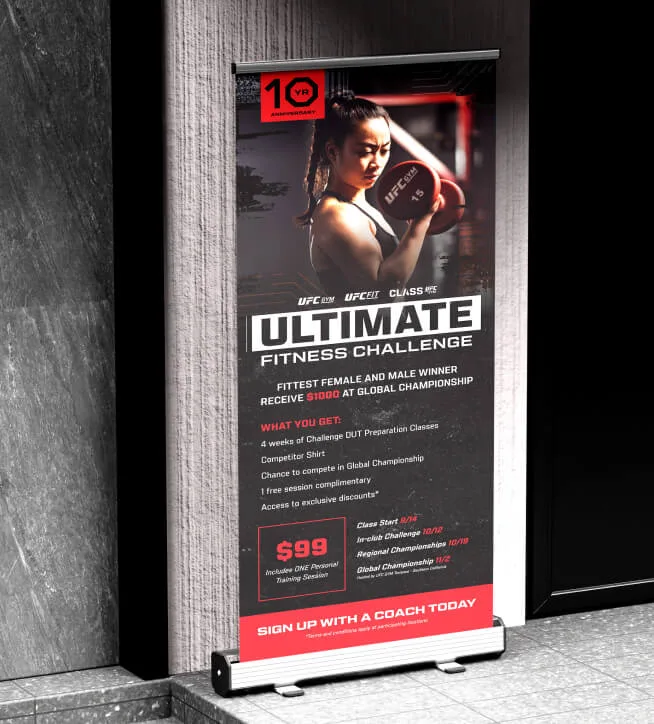
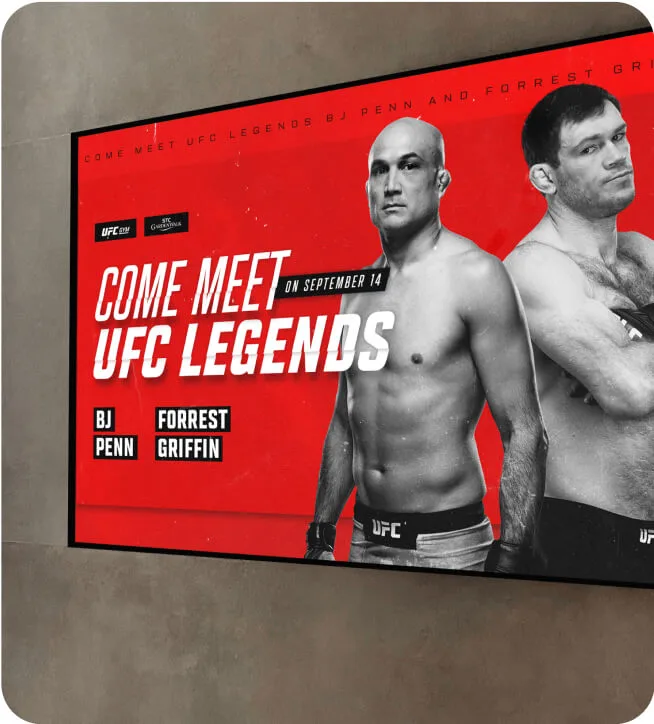
Porsha from UFC Gym

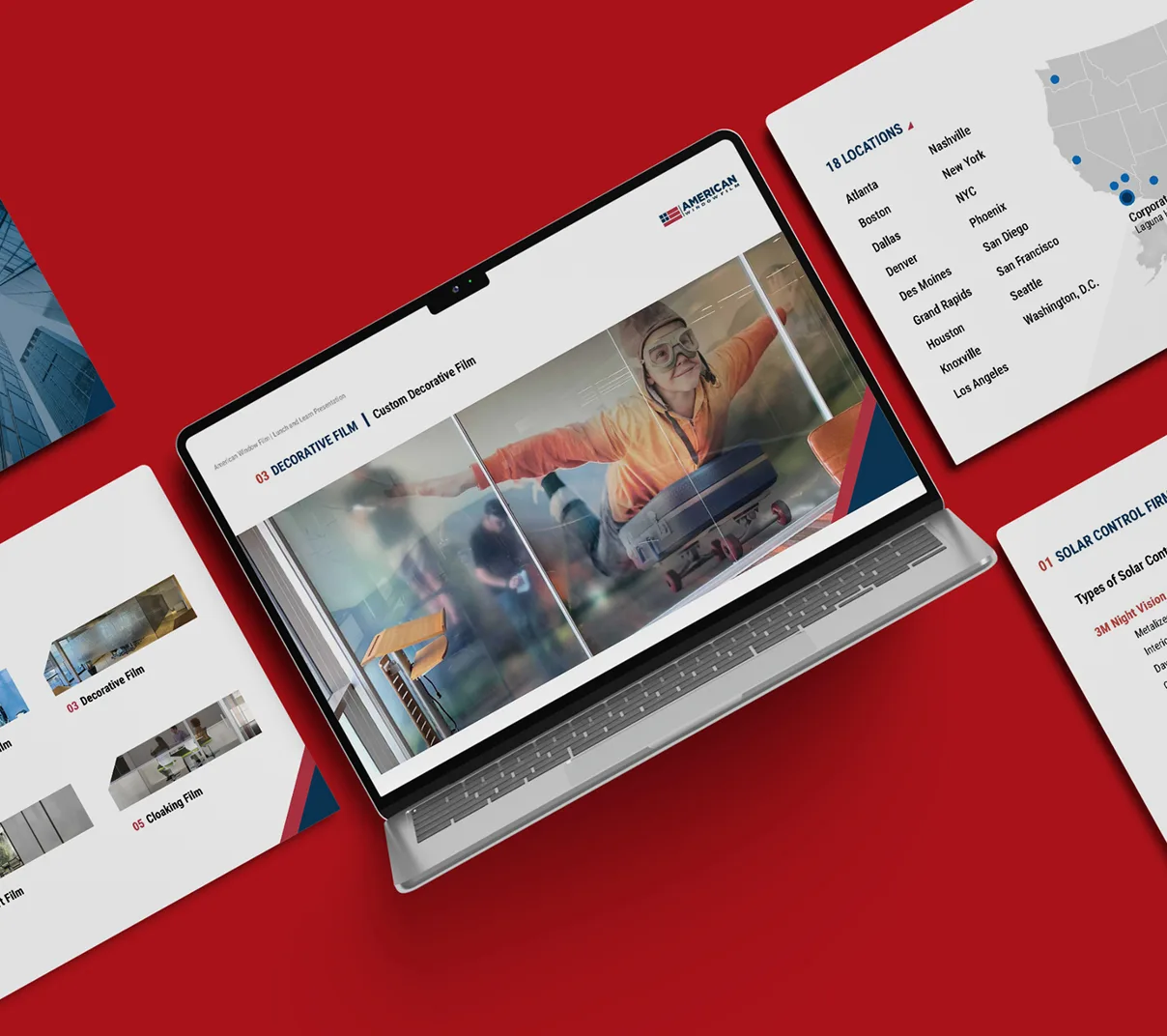
“You guys know our brand. So once I teach you the brand, I don't have to re-explain it to somebody else.”
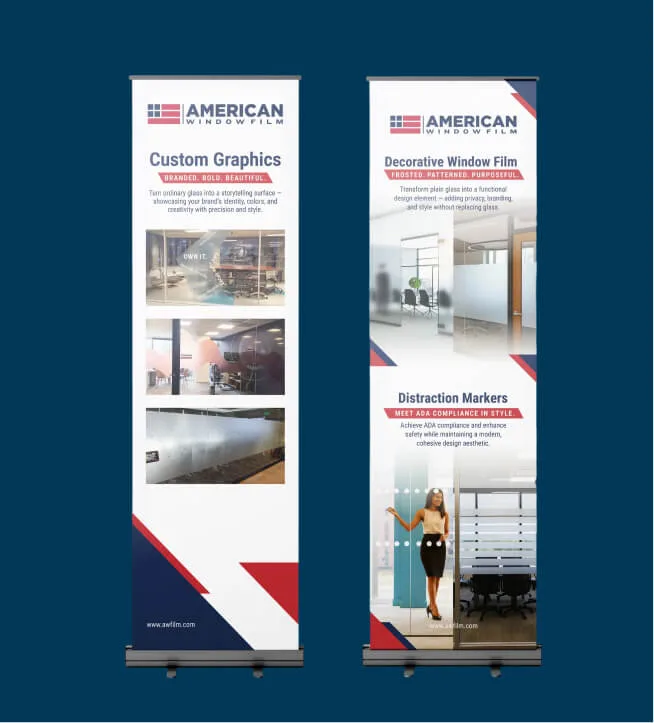
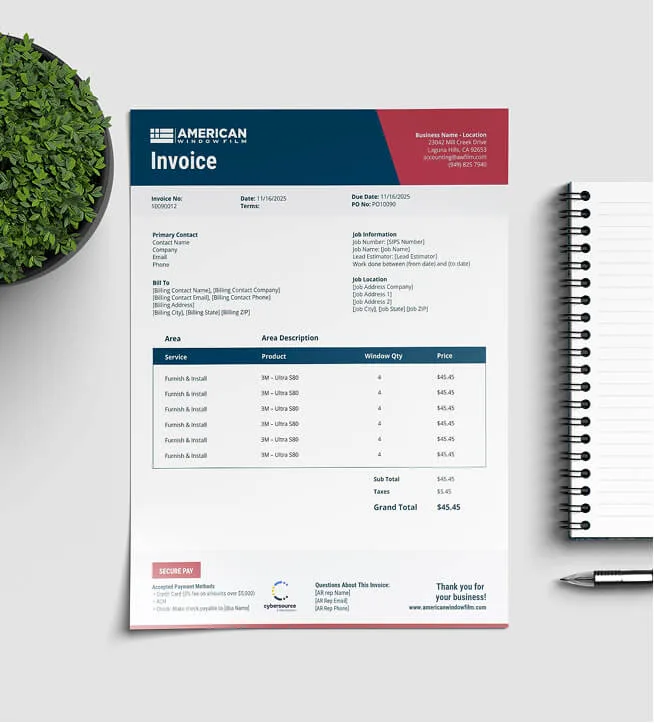
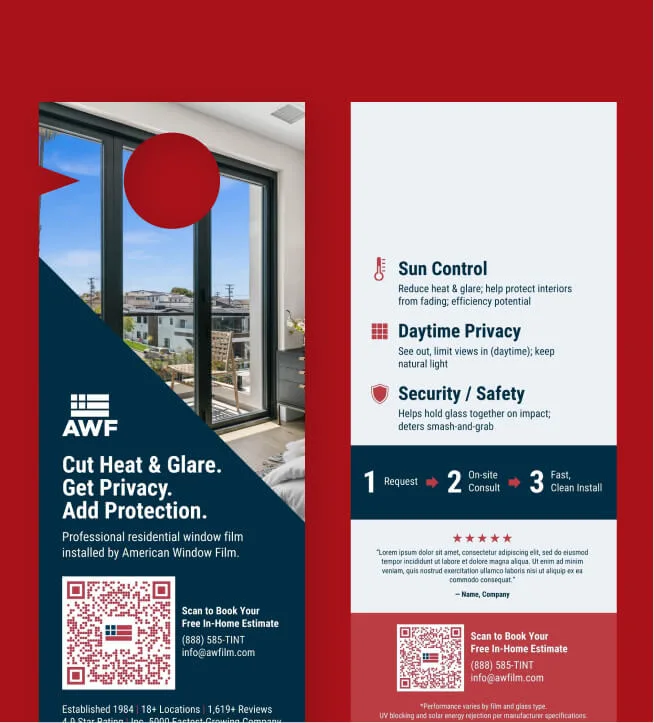
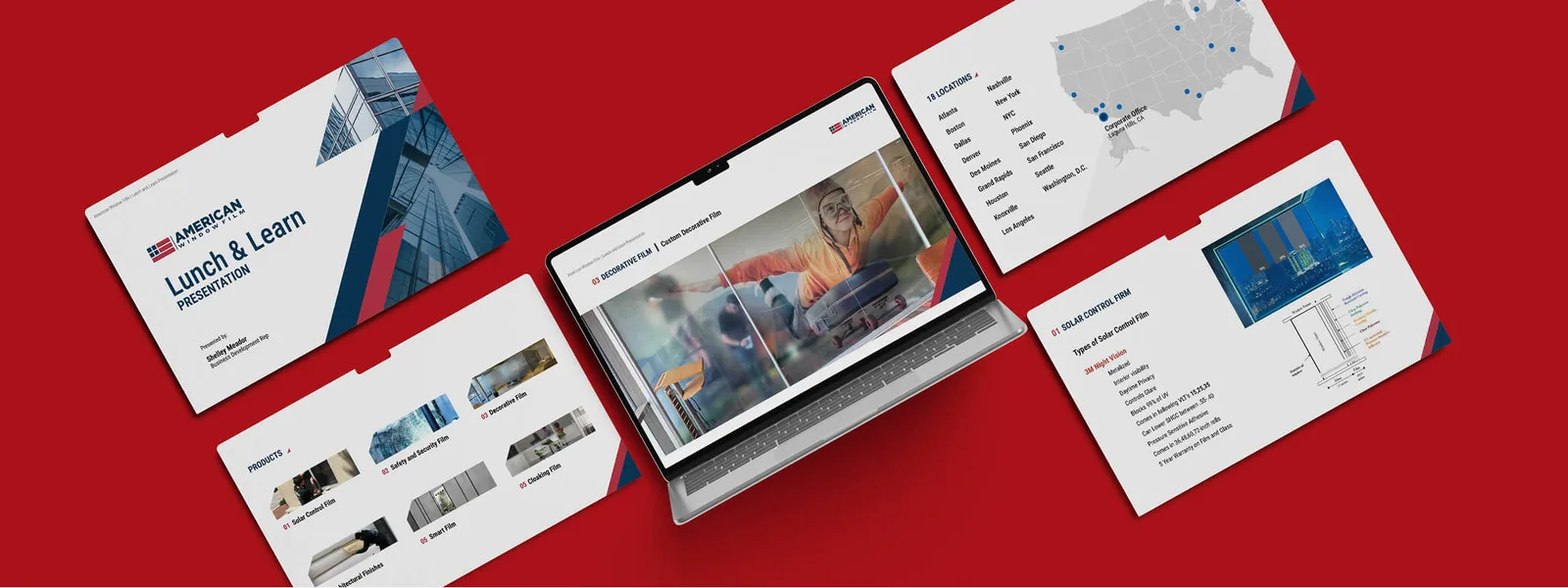
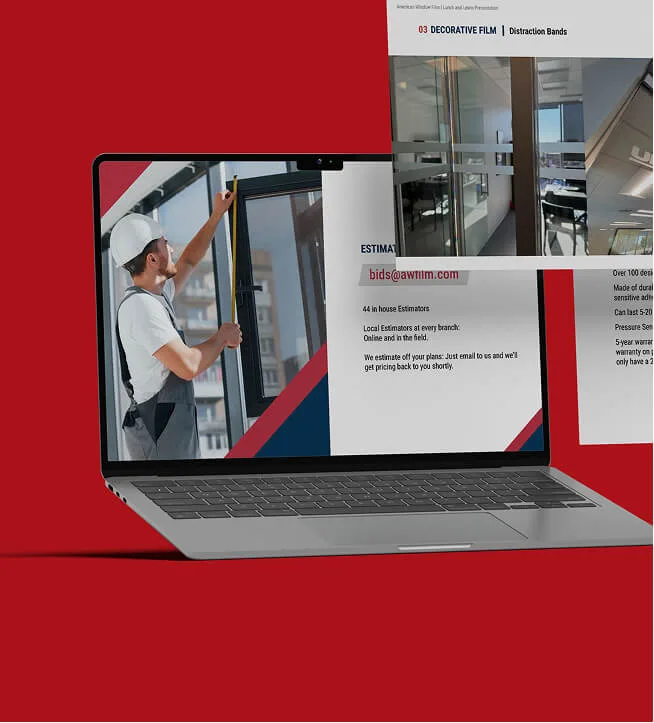
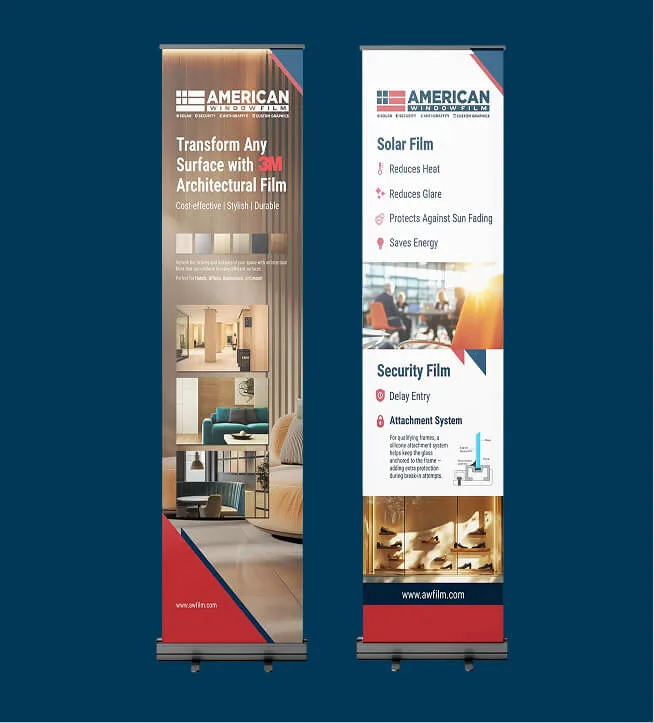
By offloading design execution to a team that truly knows the brand, American Window Film eliminates the workload of siloed freelancer management and frees its marketing director to focus on client acquisition.
Matt from American Window Film

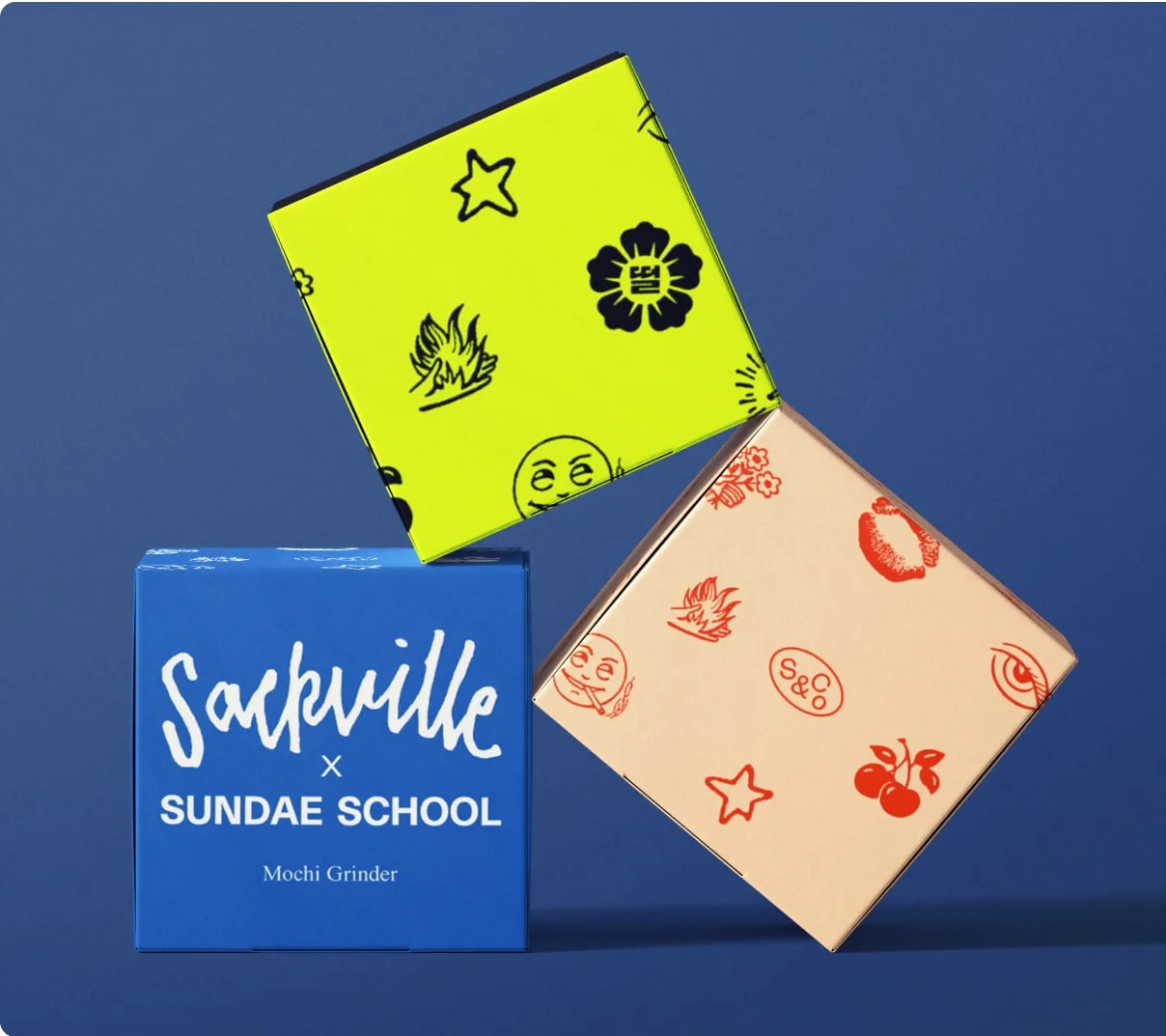
“We have solved the gap for short-turn projects, they allow us to have design support for unexpected needs.”
It has been very beneficial to have the ability to access a variety of skill sets across design needs and exceptional turnaround time.
Lana from Sackville & Co.

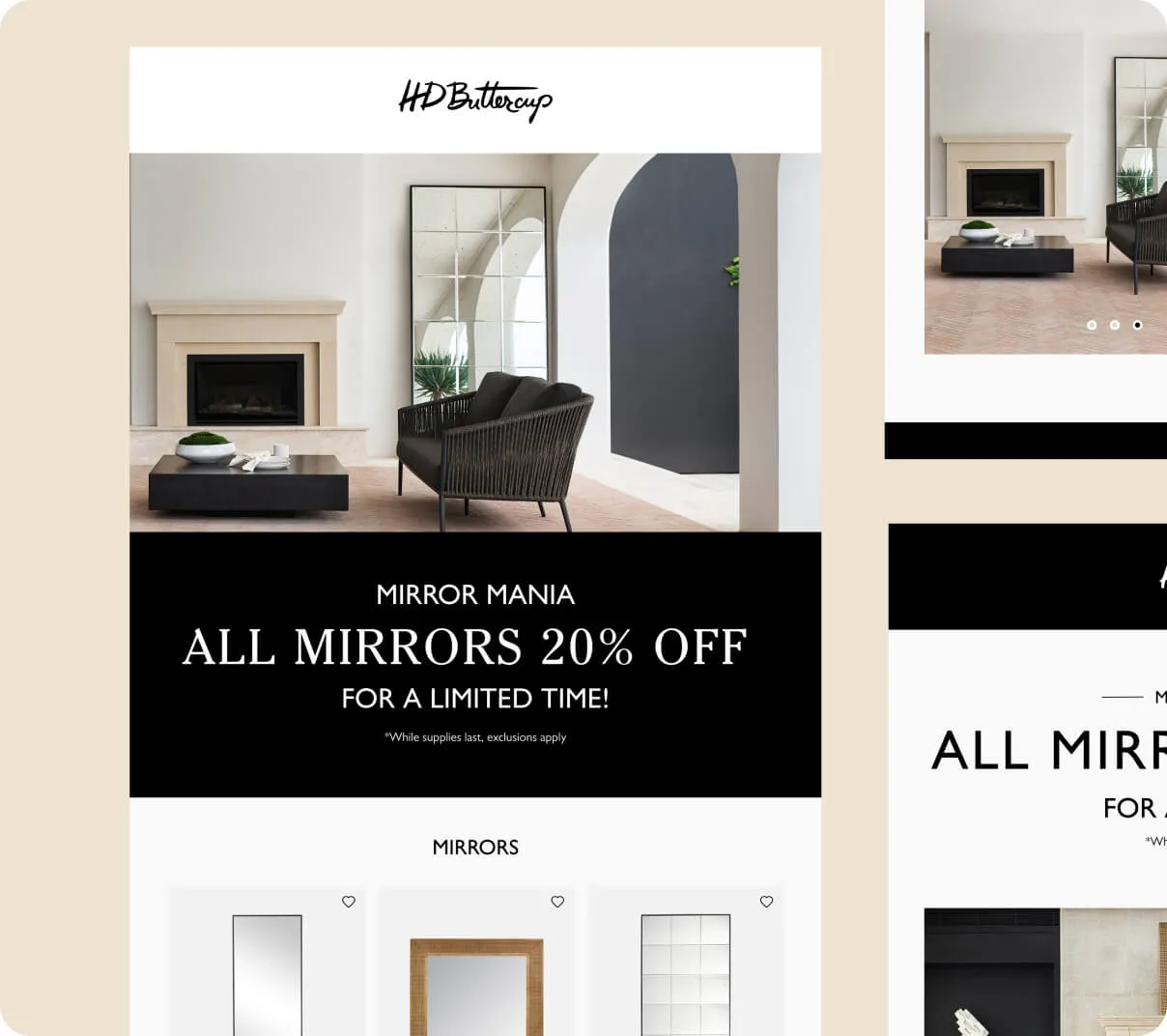
“Our small but mighty team needed an outside source to assist us in creating assets quickly and efficiently. We’ve found the perfect partner”
We are now able to create a 360° marketing strategy with Design Force’s help. One campaign has so many different variations that are requested. One person couldn’t possibly do it all!
Molly from HD Buttercup

“Their efficiency is impressive, streamlining processes and project management to ensure timely delivery without sacrificing quality”
Design Force’s efficiency and professionalism have allowed us to streamline our marketing processes and close out requests faster than ever before.
Paul from Cold Chain Technologies


“Partnering with the team has been a real pleasure. Beyond delivering quality products, they excel in communication.”
When you hire an agency, trust is crucial, and they ensure work meets expectations. Having a single source of truth in a dashboard and near real-time chat has been invaluable.
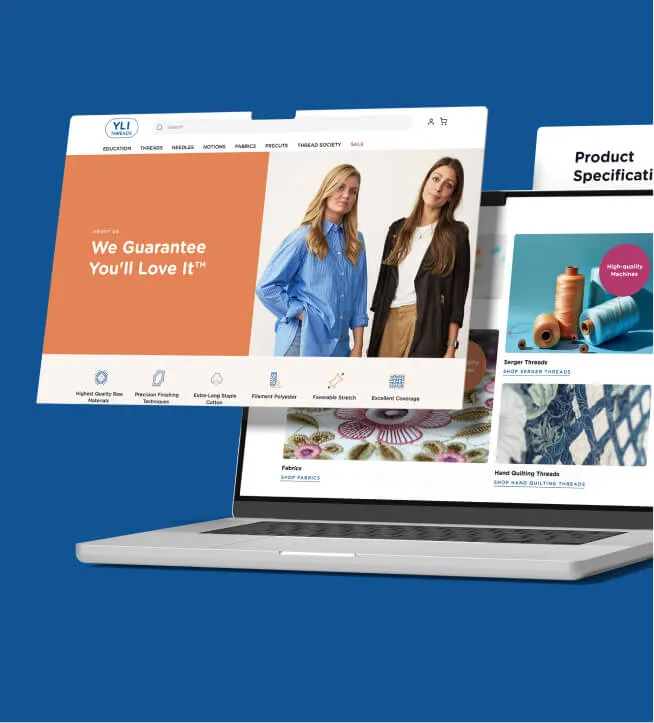
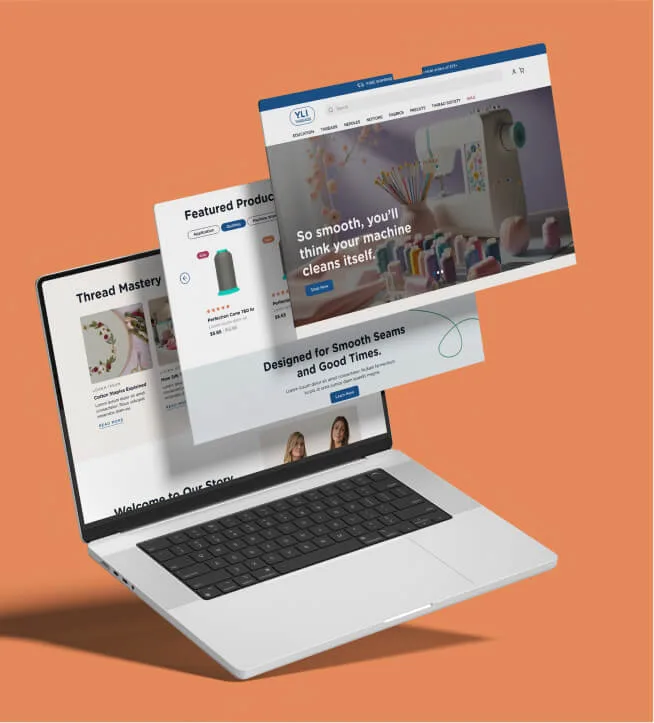
Todd from Y.L.I Threads
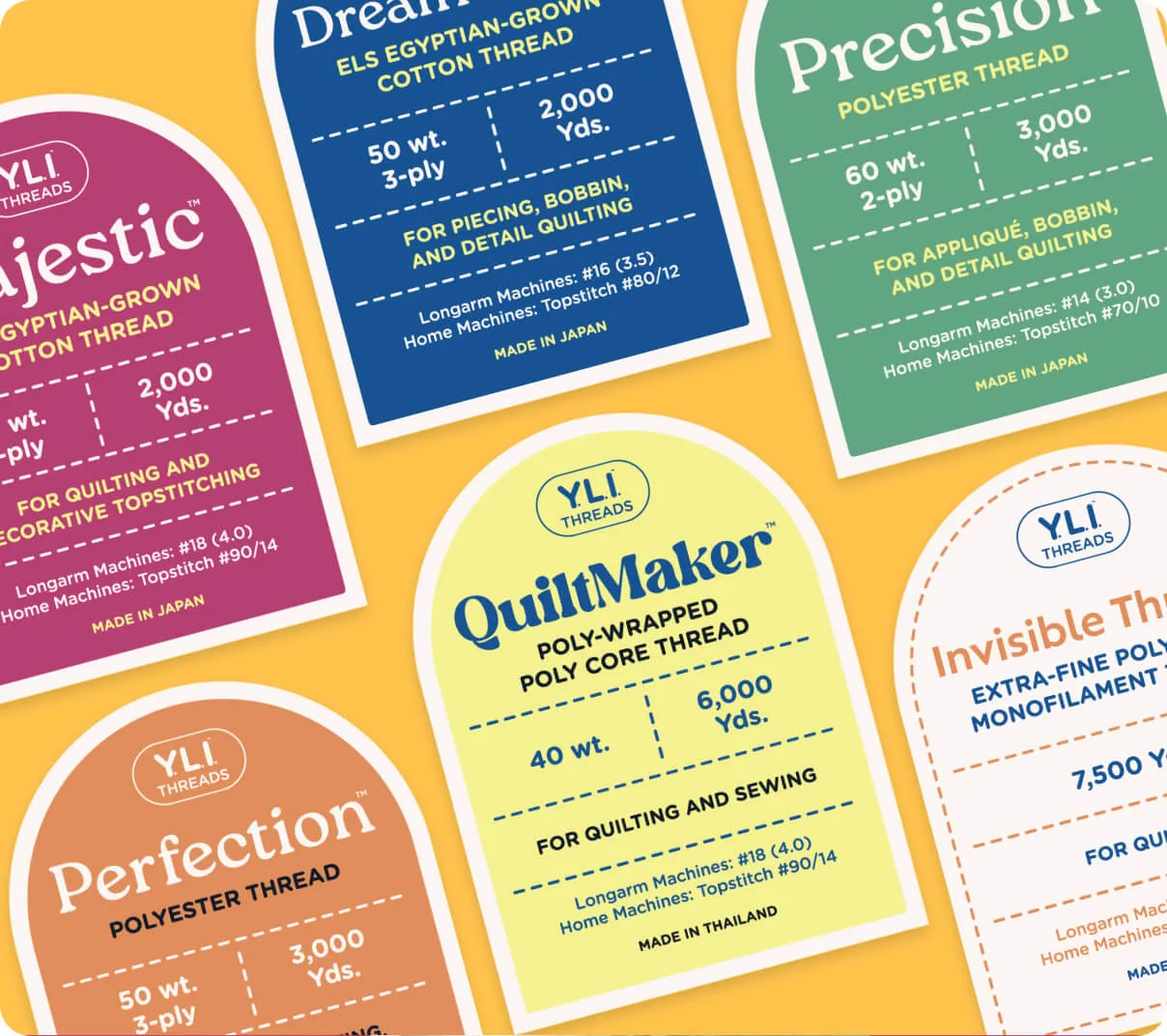

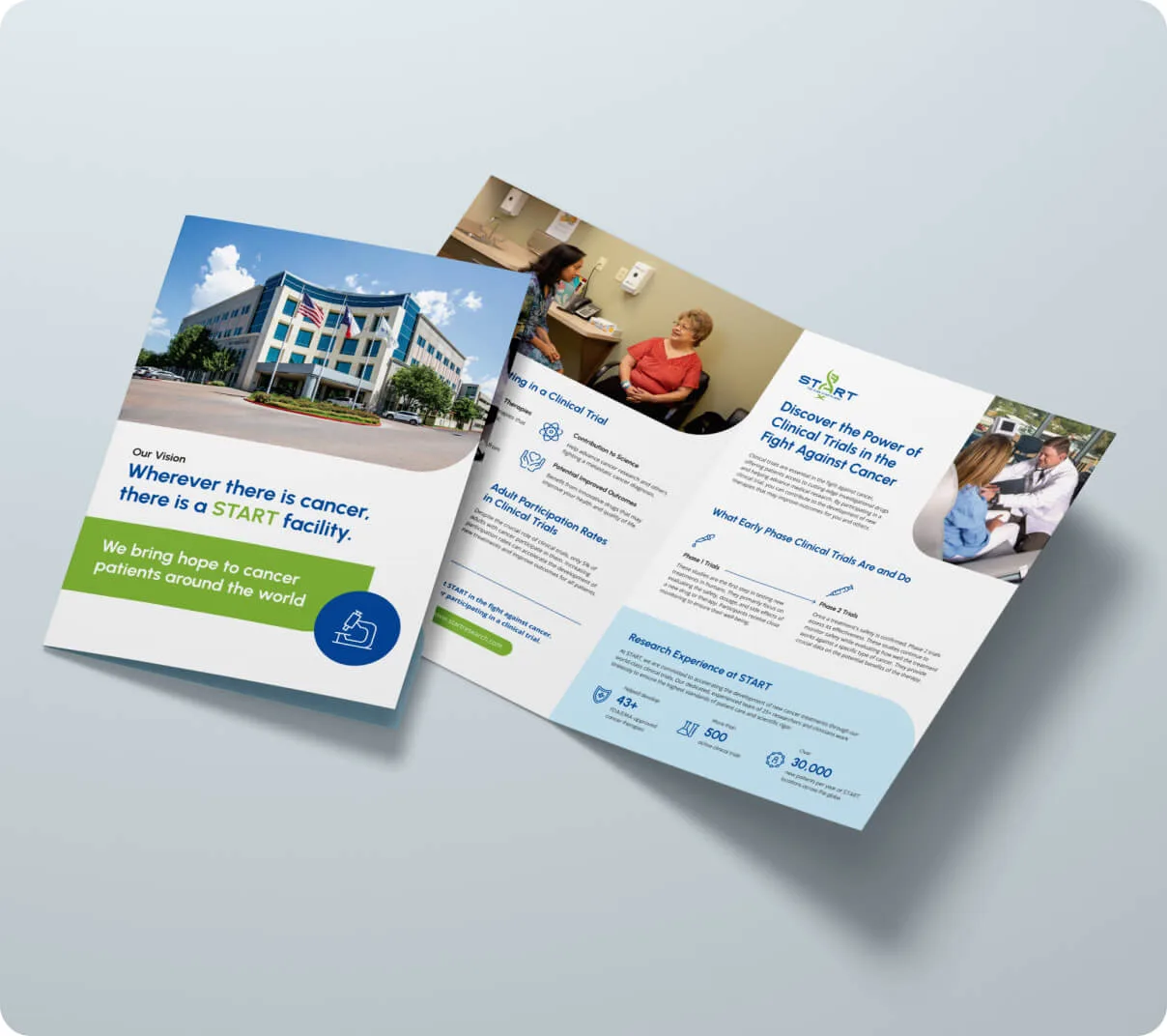
“It's great to simply reach out to the team and say, 'I need your help with this.' Even when things are urgent, they quickly turn it around without ever sacrificing quality.”
I trust the team completely, knowing they consistently deliver quality work. I appreciate the variety of design options provided, showcasing multiple ways to approach a project
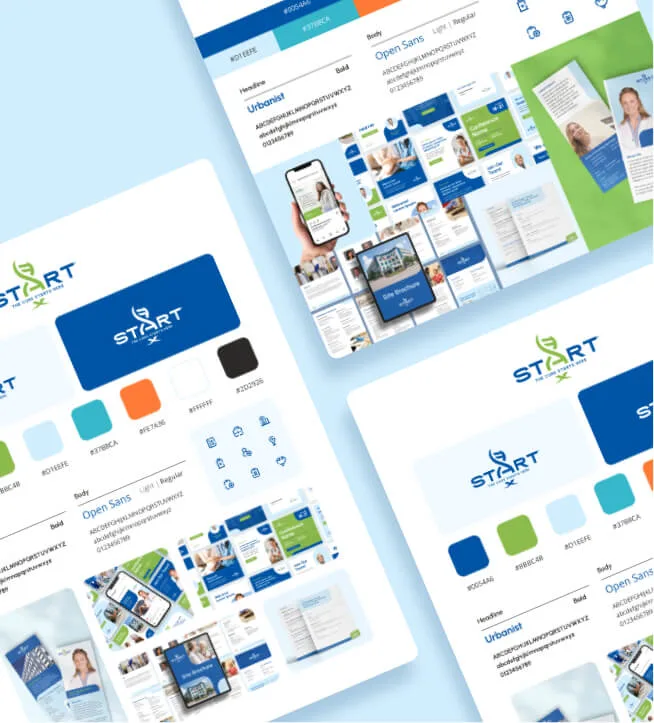
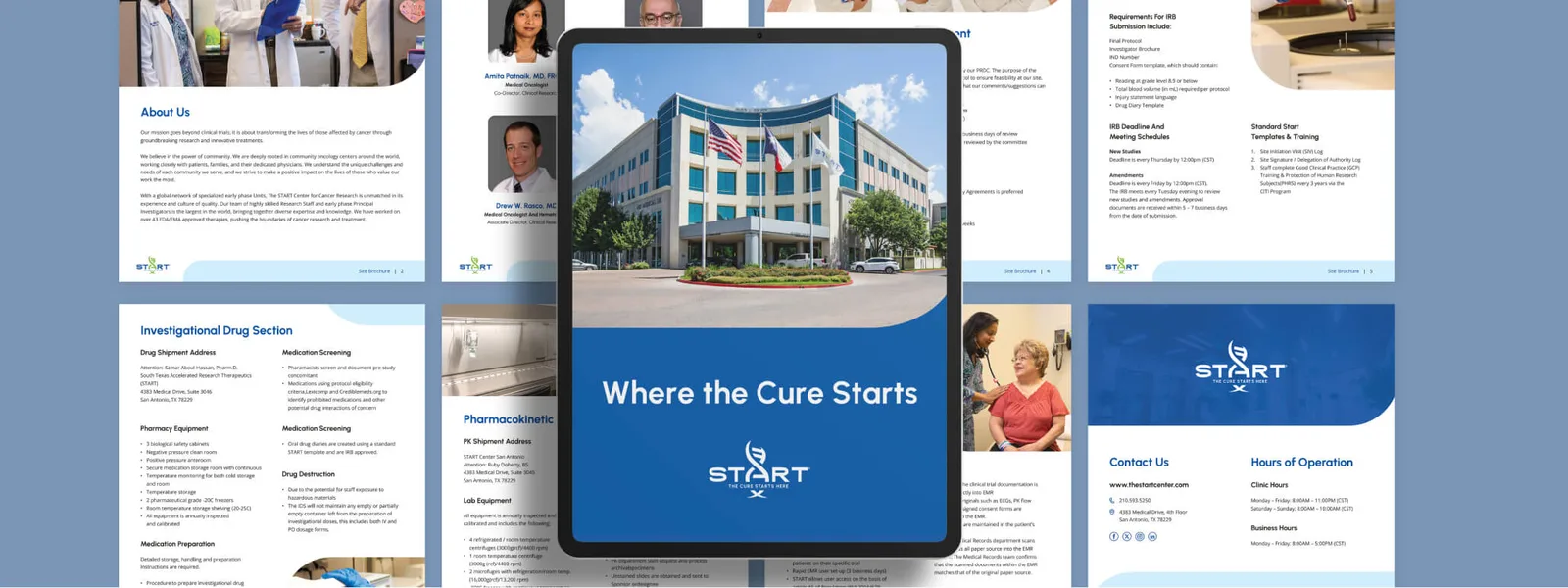
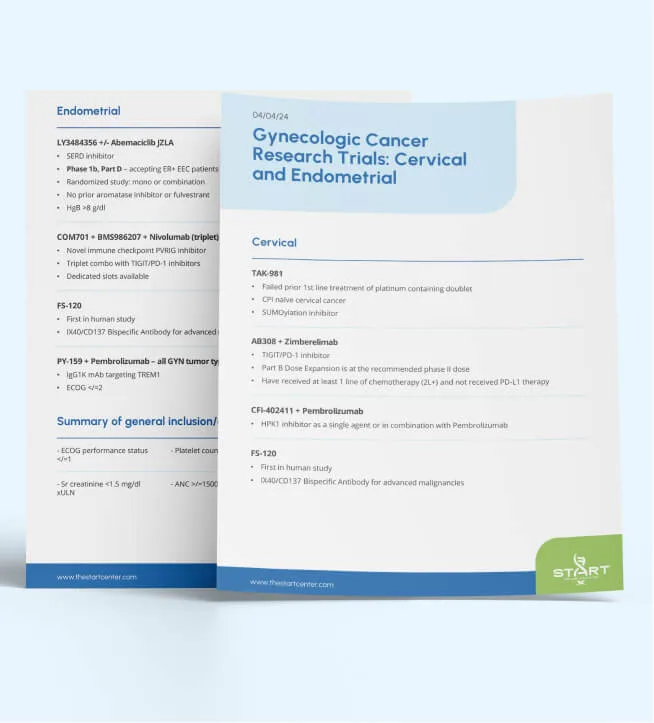
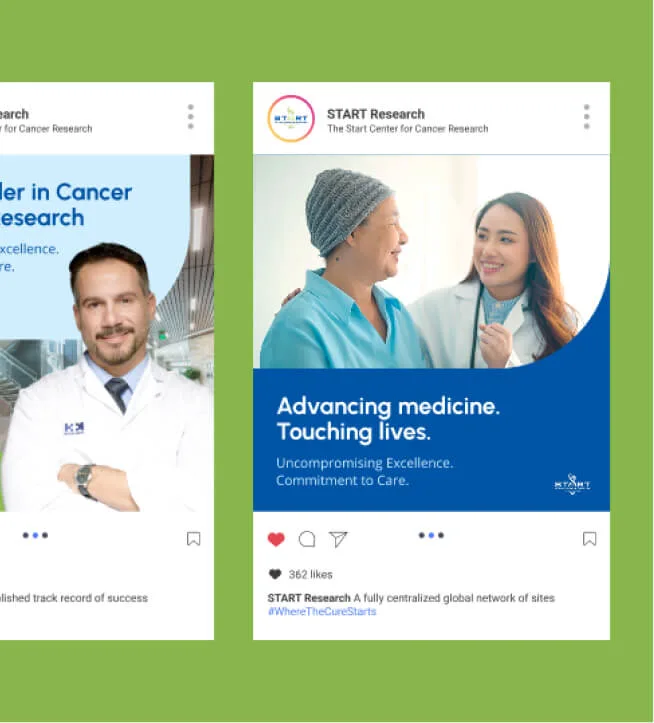
Lauren from START Center

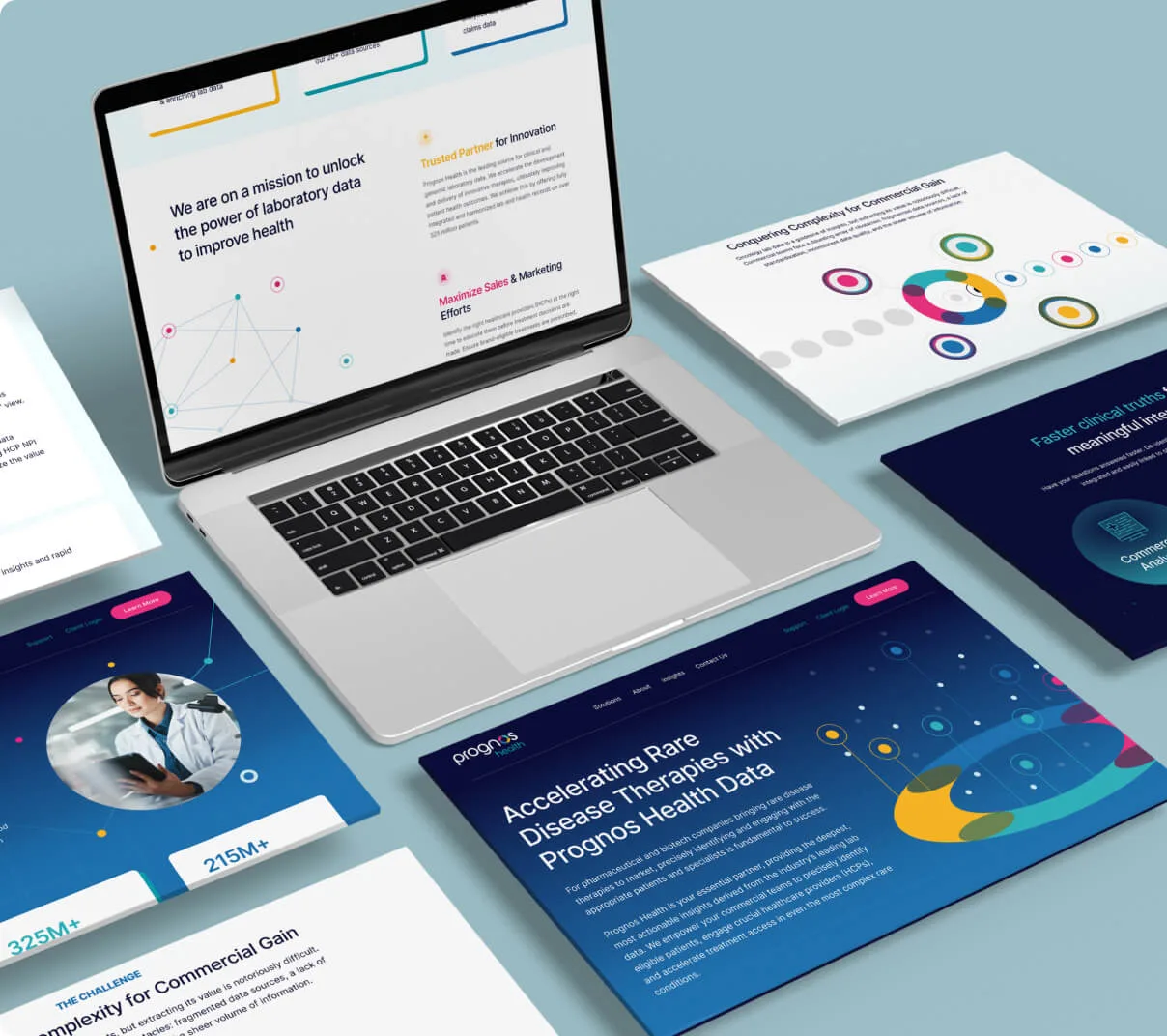
“It’s the first design team I’ve worked with that I’d genuinely hire full-time if I could”
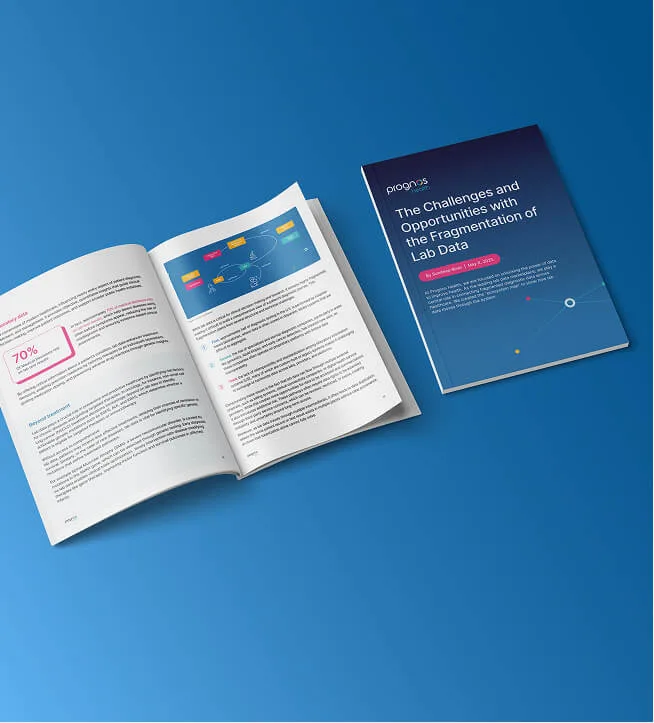
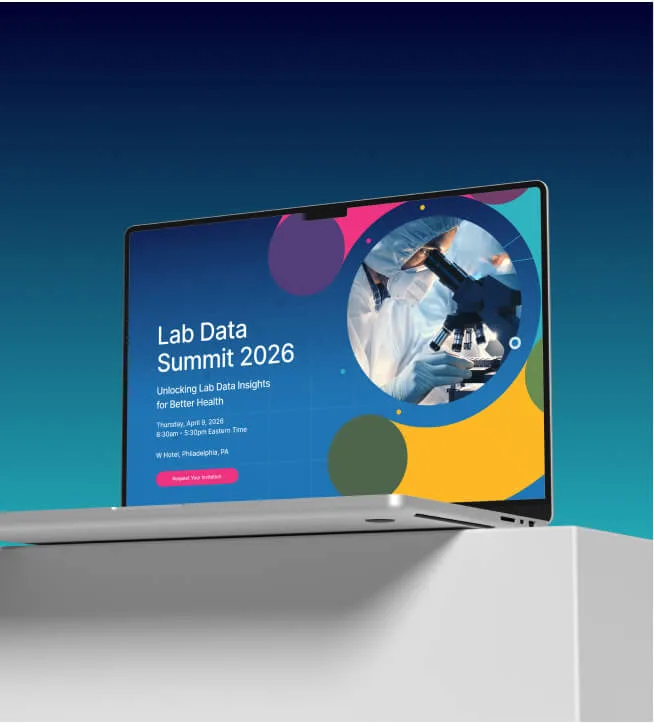
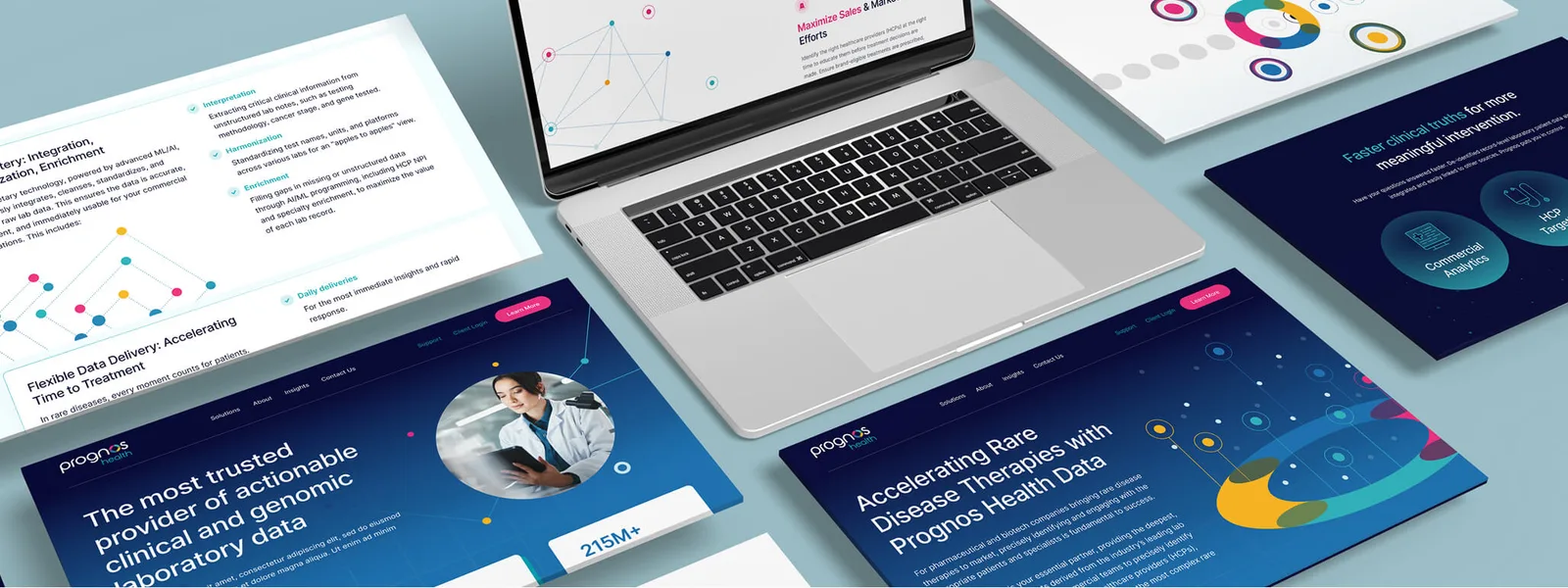
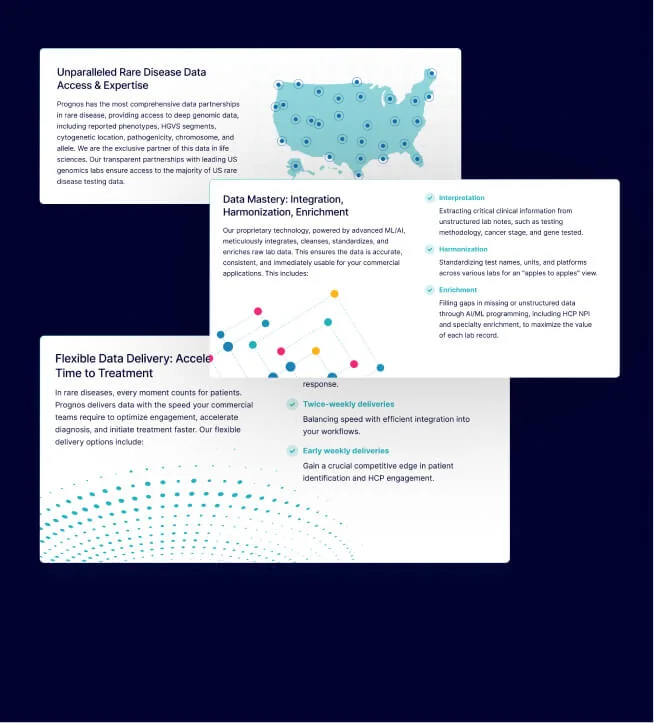
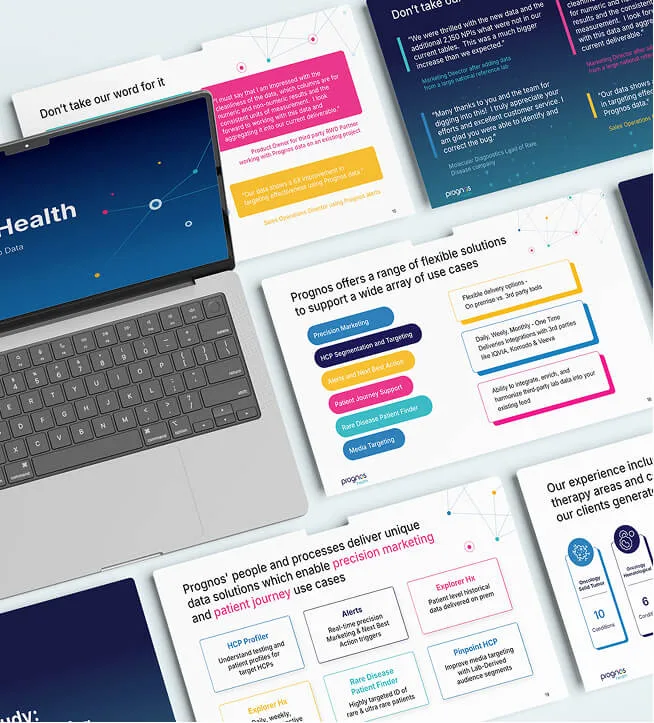
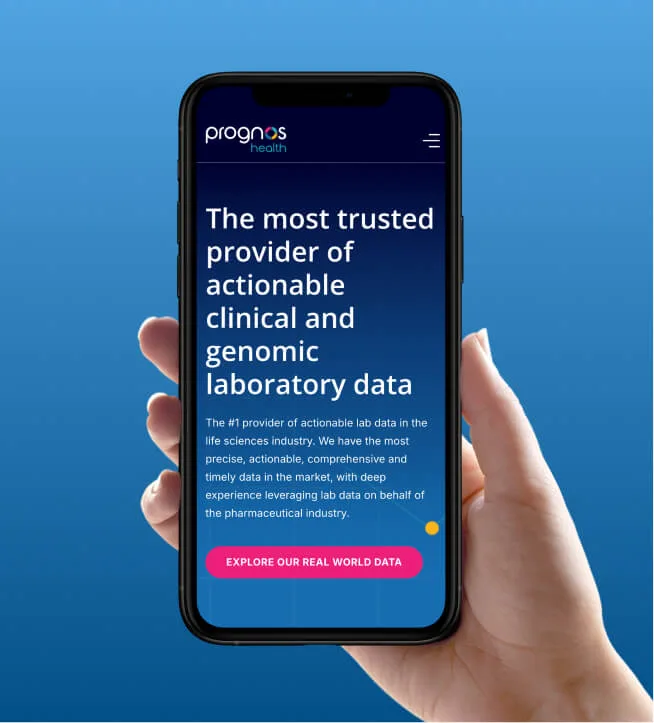
Prognos Health is scaling fast with world-class creative design, ultra-responsive support, and flexible contracts that align with their business rhythm. From web to event assets, their new visuals fueled a 400% increase in inbound leads and a 1000% surge in web traffic; turning creative into a true growth engine.
Ashley from Prognos Health

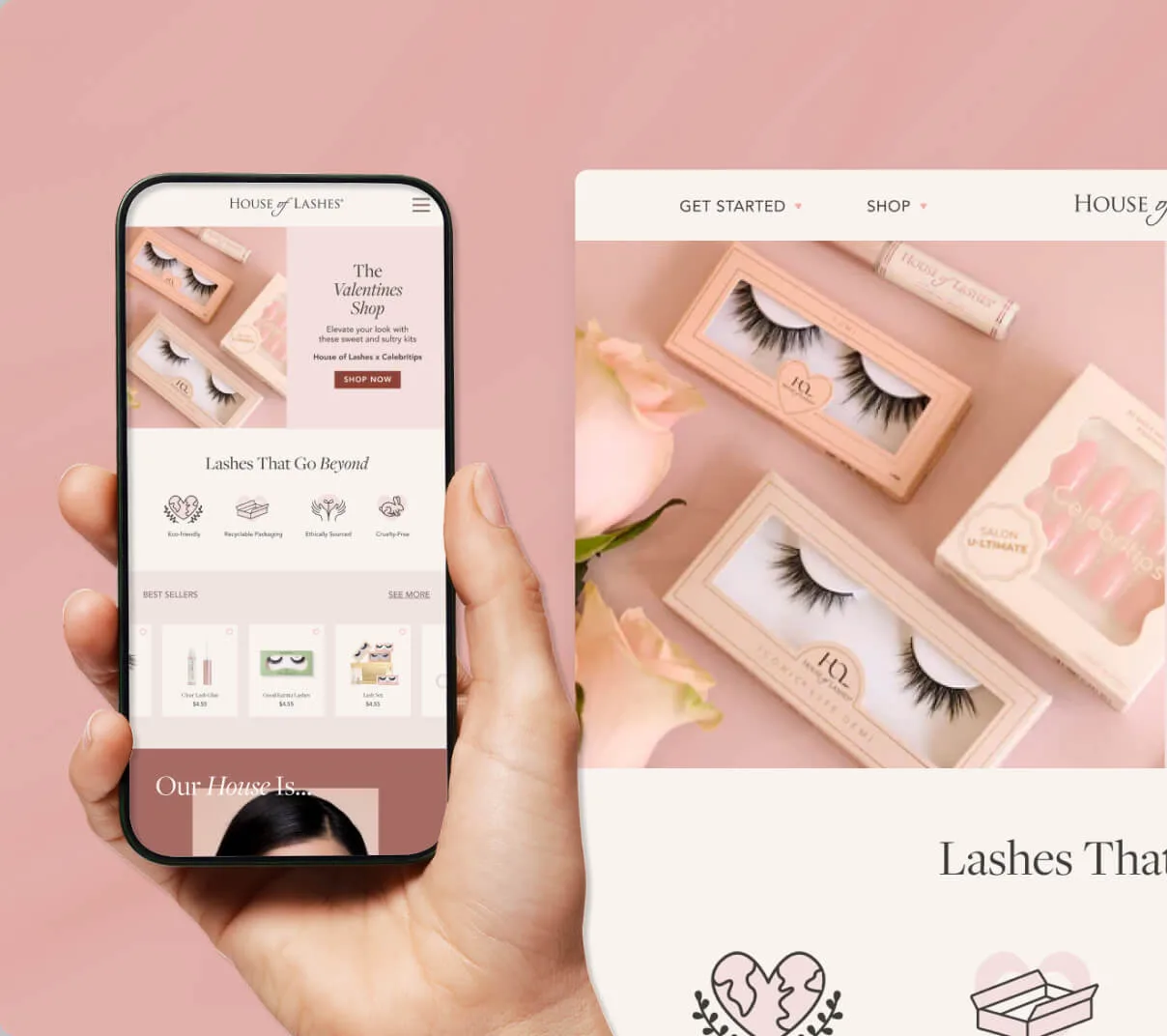
“A team that understood our vision from the start and brought every creative piece together seamlessly.”
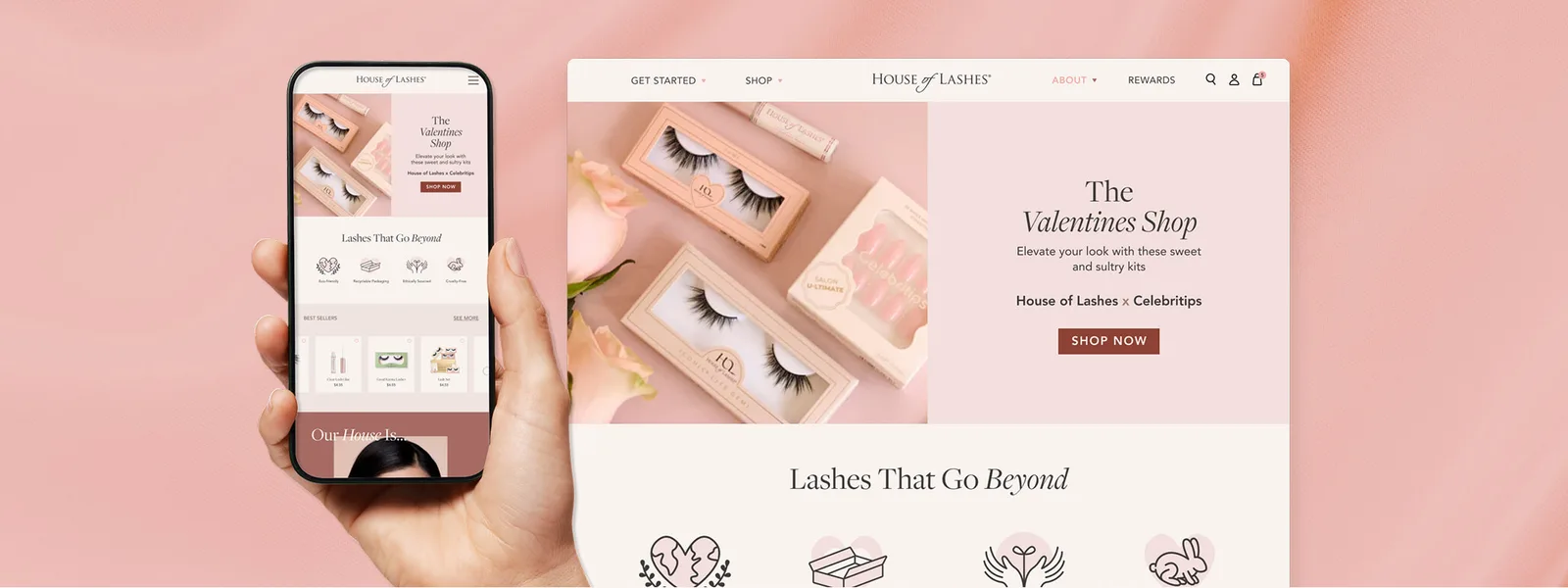
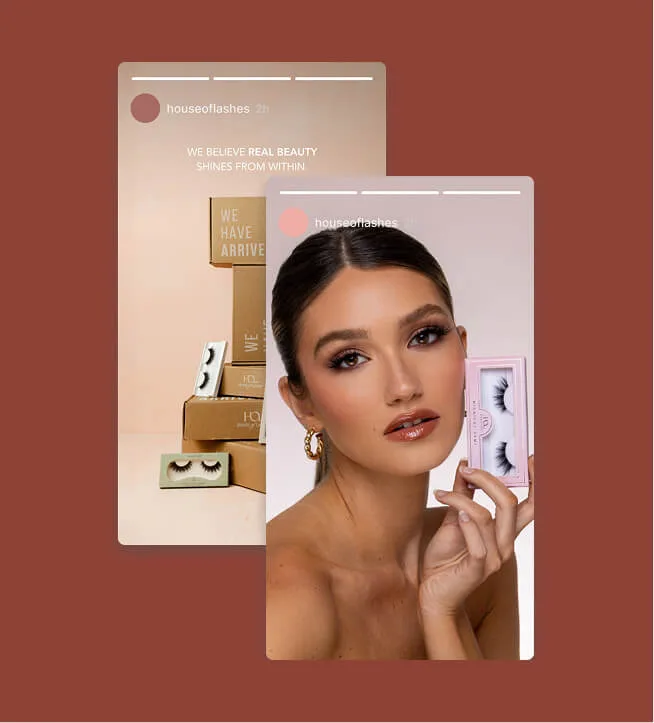
House of Lashes moved from fragmented campaigns with independent contractors to a unified brand, achieving 100% consistency and cutting design turnaround times in half, aligning every creative asset to drive steady growth and higher conversion rates.
Kirra from House of Lashes
One design subscription that keeps
your visuals consistent, from ads to decks to web.













 5.0
5.0 4.8
4.8 4.6
4.6top quality
5/5in brand consistency

“Design Force is super reliable and incredibly fast! I feel relieved knowing the project will be delivered on time and will be great work.”
 Allison LeearHubSpotTechnology and Software
fast
3xfaster than traditional
agencies and freelancers

“Improved turnaround times – our internal creative process workflow would take anywhere between 4-6 weeks to get deliverables. Design Force did it in 3-4 days.”
 Tessa PollardHyatt Hotels CorporationHospitality
on-brand
100%seamless
collaboration

“It’s that level of sophistication that up-leveling, again, especially with an organization that’s been around for a while, we’re not a startup and we don’t want to look like one. And you all certainly help us bring that level of sophistication and maturity that we need to the market.”
 Lauren PancoSTART Center for Cancer ResearchHealthcare Research
SCALABLE
10xeasier to scale than
in-house hiring

“Design Force is helping us solve the challenge of producing high-quality creative assets at scale without overloading our internal team. Their support allows us to launch campaigns faster, maintain brand consistency across channels, stay agile with shifting priorities, and free up our in-house team to focus more on strategy and content creation.”
 Hussein EbiedColumbia UniversityEducation
top quality
+275average hours
supported

“Working with Design Force has been a very simple and seamless onboarding process and kind of iteration process. As you know, with creative work, there’s always going to be a little bit of back and forth… And I think that one of the strengths of Design Force is that all the people that we’ve worked with have been really interested in getting it right, and really interested in helping us achieve our goals.”
 Leih BoydenAmsiveAdvertising Services
fast
3xfaster than traditional
agencies and freelancers

“Design Force is responsive, works within our timelines, and supports us with a wide range of creative assets from websites to presentations.”
 James SavardIRONSCALESSoftware
on-brand
100%brand consistency

“Their dedication to understanding and aligning with our brand’s vision has been instrumental in achieving our desired brand identity and communication goals.”
 Porsha JohnsonUFC GymWellness and Fitness
SCALABLE
10xeasier to scale than
in-house hiring

“We love having a dedicated team, including a project manager who keeps everything on track. All deliverables go through an Art Director for quality approval, ensuring top-notch results.”
 Sophie MelcherSaviyntSoftware Development
top quality
80%project approvals on first approval

“Extremely effective and simple process. They always make sure we communicate to review priorities for the week and go over any new product specs.”
 Ben LeikenArkestroHospitality
fast
3xfaster than traditional
agencies and freelancers

“Design Force is their incredibly fast turnaround times, consistently high-quality creative output, and their responsiveness—working with them feels seamless and efficient, like an extension of our own team.”
 Carlyn NortoSaviyntChemical Manufacturing
on-brand
90%one-time launch rate

The brand now looks unique, identifiable, and we get a lot of feedback about that. At a recent conference, we had 60–70 people visit our booth, while a competitor just two booths away had maybe 15. Our giant banner was easy to read, clear, and engaging—people came to us immediately. I’ve already recommended Design Force to others in my network.
 Ashley TriscuitPrognos HealthSoftware
top quality
80%project approvals
on first approval

“I would summarize our experience as fantastic! Their team is very responsive to our requests and acts on feedback immediately. Since we have done multiple projects I feel as if they are an extension of the team that understands our brand direction.”
 Dustin AbneyPortoroIndustry
top quality
100%on-demand support

“I cannot say enough about how wonderful working with Design Force has been. Not only are they insanely responsive, they are masters at taking feedback and turning it into amazing work. Our point of contact, Sophie, is always on her A game and has made the creative process an absolute breeze.”
 Kate FlahertyPBJ MarketingMarketing Services
fast
5/5in turnaround times
“The biggest benefit has been time efficiency and reliability in meeting deadlines. Having well-designed assets on time is crucial for us—especially for large reports like The State of Marketing or The ROI Behind AI. Design Force always matches deadlines, applies feedback quickly, and delivers designs that fuel real results. Those reports alone generated thousands of leads.”
 Lorena RodriguezHubSpotTechnology and Software
on-brand
65%faster turnaround times

“I also like that you guys know our brand. So it’s like once I teach you guys the brand, I don’t have to re-explain it.”
 Matt FaulknerAmerican Window FilmConstruction
SCALABLE
10xeasier to scale than
in-house hiring

“We have a little more work than one person can handle but not enough consistent work to justify on-boarding a second in-house graphic artist. With Design Force, we get the best of both worlds and some great designs!”
 Kari AmbleChemical UniverseChemical Manufacturers
SCALABLE
+80projects supported

“Design Force has helped us tremendously with graphic designs and social assets. Their support has helped us open up room for our own team. Not only this but the designs are consistent across all channels.”
 Anahi AlvarezHouse of LashesCosmetics
fast
3xfaster than traditional
agencies and freelancers

“We’ve seen a noticeable difference in both our speed and consistency working with Design Force. We’re now able to meet our tight deadlines with very high-quality work.”
 Michelle WoodMauve SocialMarketing Services
on-brand
100%brand alignment

“Design Force’s commitment to shared values and their account team’s attentiveness built a bridge of trust and collaboration between our teams, a bond that continues to grow stronger.”
 Tony SaffellZorzi CreativeMarketing Services
SCALABLE
+30design capabilities
leveraged

“Working with Design Force has truly transformed how we approach our projects, their quick turnaround times and the team’s ability to tackle a wide array of design challenges have been game-changers for us”
 Lana Van BruntSackville & Co.Retail Apparel and Fashion
SCALABLE
80%time-to-market
decrease

“We’ve been able to improve our team’s performance. Design Force’s expertise has brought efficiency and creativity to our design and marketing efforts.”
 Paul AndersonCold Chain TechnologiesPharmaceutical Manufacturing
fast
3xfaster than traditional
agencies and freelancers

“Design Force delivers on time, communicates clearly, and makes collaboration easy through project management tool”
 Kendra PonceCerulean ManagementBusiness Consultant
on-brand
65%creative efficiency

“Partnering with Design Force has been a game-changer for our brand. Their ability to dive deep into understanding our brand and operational needs from the get-go has made all the difference. The team’s responsiveness, coupled with their knack for taking direction and truly grasping our needs, has enabled us to expand our marketing efforts in ways we couldn’t have imagined.”
 Molly RossHD ButtercupRetail
SCALABLE
80%project approvals
on first approval
“Fractionalizing is the future of work and designforce offered the perfect solution for my startup. They helped me with an eye-popping pitch-deck that’s getting investor attention! The price was right and the work was done quickly and efficiently. I highly recommend designforce!”
 Gannyn LoughHireScale TalentTechnology, Information and Internet
top quality
5/5on quality

“Design Force delivered on time with little necessary iterations. Design Force delivered quality work on time, requiring minimal iterations. The team utilized Monday.com to manage requests efficiently, ensuring a smooth workflow. Moreover, they communicated via email and messaging apps.”
 Sarah StroupLearnLuxGlobal Program Specialist
fast
5/5on schedule

“Design Force’s customer service is impressive. Design Force delivered content on time, meeting the client’s expectations. The team communicated well through virtual meetings, ensuring a smooth workflow. Their customer service was excellent, and there were no areas for improvement at this time.”
 Carter RandolphJCS MarketingAgency
on-brand
100%brand alignment
“Before finding Design Force, we struggled with freelancers who couldn’t deliver projects on time and didn’t align with our branding. Design Force takes the time to understand our brand and always delivers designs promptly. We’ve used them for all our digital marketing assets—website, emails, social posts/stories, videos, and even packaging!”
 Kirra JaquiasHouse of LashesCosmetics
SCALABLE
85%production time saved

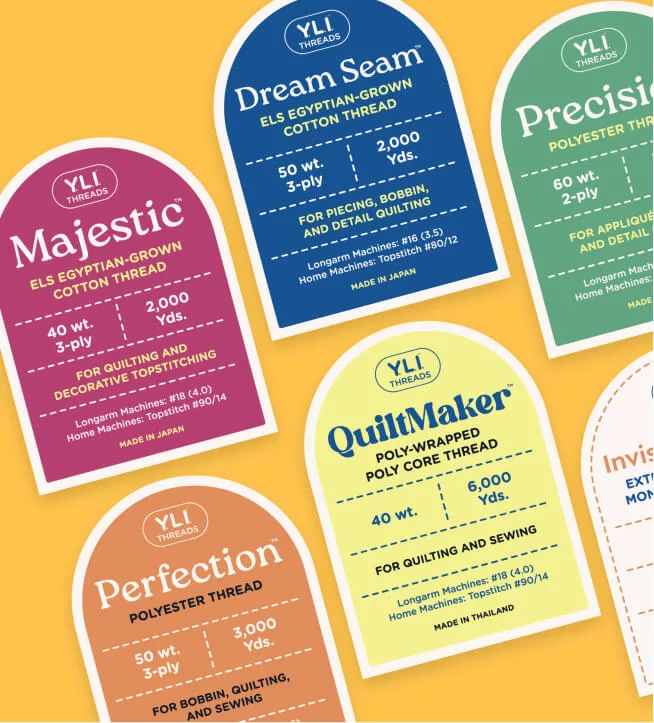
“Being able to write a creative brief and then to kind of do this handoff, which then allows our small team to focus on our day-to-day operations. So we’ve been able to generate logos, word marks, page layouts and templates, all within a short amount of time.”
 Todd PurcellY.L.I ThreadsTextiles & Hobby
on-brand
5/5on brand

“I’m impressed by Design Force’s ability to do it all. Design Force’s work has been approved by the client’s third party and received positive feedback from stakeholders. The team demonstrates a wide range of skills and expertise. Design Force communicates well with the client.”
 Cayden CarterEco EntertainmentEvents
Designed around the clock for speed
Design Force is a fully managed, on-demand subscription-based design partner that acts as an extension of your creative and marketing team. As a trusted Design-as-a-Service (DaaS) solution for scale-ups, agencies, and enterprises, we provide flexible, scalable, high-quality design production tailored to your needs. From digital design and UI/UX to motion and more, we help teams onboard quickly, stay on brand, and scale creative output cost-effectively. Explore our capabilities on our Services page.
Unlike traditional design agencies, which often focus on one-off projects or larger retainers, Design Force is built for ongoing design production. You get a fully managed team that integrates seamlessly with your team to deliver high-quality creative output with speed, consistency, and brand alignment.
Design Force is built for teams that need ongoing, high-quality design support without the overhead of hiring or managing a full in-house creative team. We’re a strong fit for marketing teams, product teams, agencies, scale-ups, and enterprise brands that need flexible, scalable creative production.
Design Force offers different plans based on the type of design support your team needs. You can choose Marketing Force for marketing deliverables, Pro Force for product design, or Full Force for broader creative support. Within your active plan, you can request any included capability as needed, based on your available hours. Visit our pricing page for full plan details.
Each plan includes a minimum number of hours per month: 20 hours for Marketing Force, 25 hours for Pro Force, and 40 hours for Full Force. Your plan can be adjusted monthly based on the level of support and project demand you need. Check our pricing page for more details.
We onboard clients based on current availability so we can assign the right dedicated team to your account. In most cases, onboarding takes about one week to complete materials, finalize the agreement, and align on the right package. Once your onboarding session is complete, your team can begin submitting projects that same day.
Most projects are delivered within a minimum of 48 hours, depending on complexity, for the first round review. If something requires special attention, your dedicated Project Manager will work with you to align on the best approach and timeline.
Every project goes through a two-stage quality assurance process before it reaches you for approval. We work closely within your brand guidelines and creative brief, and the art director assigned to your account reviews each project to make sure it meets both your standards and ours.
We make ongoing design support simple and organized. You submit requests through a dedicated project management system where your team can track progress, manage priorities, and much more. Your dedicated Project Manager coordinates with the design team and guides each project through review, feedback, and final delivery. Visit our How It Works page to learn more.
Yes. You can submit as many projects as needed, whether you’re on a monthly or annual plan. Work is prioritized and completed based on the hours included in your plan, and if you need more capacity, you can add extra hours at any time.