


In a world drowning in noise, your brand isn’t just a logo—it’s the feeling that gets your audience to stop scrolling, lean in, and say, “That’s the one for me.”.
Brand identity is the secret sauce that transforms a name into an experience, a product into a movement, and a company into a community.
In this article, we’ll make designing your brand image not just clear, but actionable. You’ll see why building a resonant, strategic image is essential from day one, how to shape a brand that speaks your audience’s language, and which practical steps will set your company apart, no matter how crowded the market.
This is your roadmap on how to build a brand that sticks, stands out, and sparks lasting connections with your dream people.
What is brand identity?
Let’s clear the air. Brand identity, or visual identity, is not just a logo slapped on everything. (Say it louder for those at the back!) It’s the sum of every visual, verbal, and emotional cue that tells your story at a glance.
Here’s what brand identity really includes:
- Visual system:
Logo, colors, typography, imagery - Verbal system:
Tone of voice, key messaging, value props - Emotional association:
Trust, excitement, calm, luxury—pick your vibe - Strategic foundation:
Audience targeting, positioning, brand personality
Why does this matter? Because your brand identity:
- Creates recognition
Think of the Nike swoosh or Apple’s clean lines - Shapes perception
Are you the disruptor, the trusted pro, the playful upstart? - Builds trust
Consistency is the handshake that says, “You can count on us” - Drives differentiation
In a sea of sameness, identity is your lifeboat
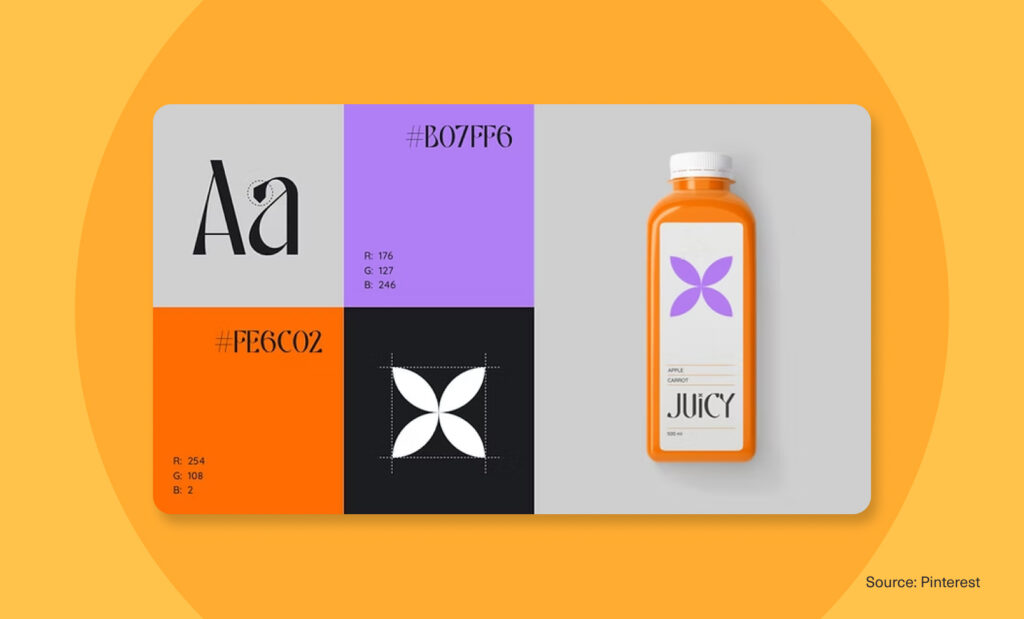
Imagine all these elements orbiting around your brand like planets; each one vital, each one part of a bigger gravitational pull.
Branding for startups: why you need a strong brand identity early
If you’re a founder or part of an early-stage team, listen up. Building a brand identity isn’t a “someday” task—it’s the launchpad for everything else.
You become instantly recognizable
A strong identity makes your startup look established—even when you’re brand new. It’s like wearing a perfectly tailored suit to a big meeting: you walk in with instant credibility.
It builds trust faster
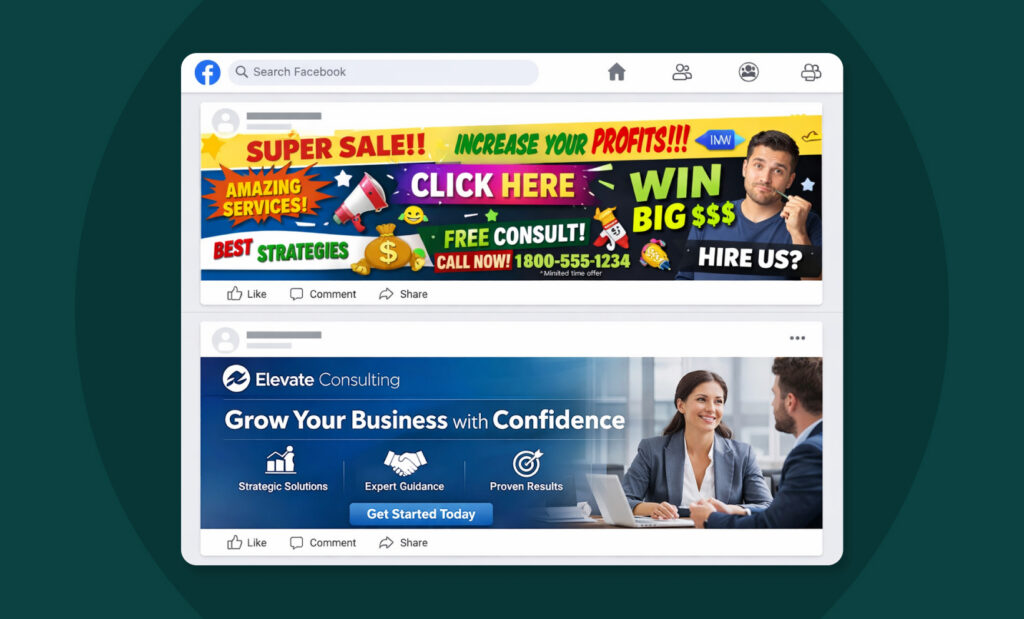
People trust brands that feel intentional, polished, and put together. If your look is cohesive, your story feels real.
It makes every marketing dollar work harder
A consistent identity is like compound interest for your budget. Every ad, social post, or sales deck gets amplified when it looks and feels “so you”.
It sets the tone for team culture
Brand identity isn’t just for customers, it helps your team rally around a mission. When everyone understands the story, they can tell it better.
It creates alignment for product, design and growth
A strategic identity is your north star. It keeps design, product, and marketing pulling in the same direction as you scale.
How to create a brand identity that resonates with your target audience (in 5 steps)
Enough theory—let’s get tactical. Here’s how to build a brand identity that doesn’t just look good, but connects on a gut level.
- Start with the audience, not the aesthetics
Before you pick a single color, ask:
- Who are we talking to?
- What do they value most?
- What emotions should our brand evoke?
- What category cues are they expecting?
Design Force tip:
Build audience moodboards before you even think about brand moodboards. Get into your audience’s headspace and see through their eyes.
- Define your brand personality
If your brand were a person, who would they be?
- Bold or minimalist?
- Friendly or luxurious?
- Quirky or classic?
Your brand’s personality sets the stage for every design decision. Think of it as the soundtrack that plays in your audience’s mind every time they see or hear from you.
- Choose your visual direction
Let’s break it down:
- Trigger emotion and signal industry
- Must be accessible and on-brand
- Think: a color palette that feels uniquely yours
- Serif or sans, playful or refined
- Set a hierarchy for headlines vs. body text
- Keep it legible—because nobody likes squinting
Logo system
- Go beyond a one-size-fits-all logo
- Create primary and secondary lockups, responsive marks for different spaces
Imagery and art direction
- Photography style sets mood
- Illustration language can add personality
- Patterns and textures add depth (without the clutter)
Iconography
- Outline vs filled, rounded vs sharp?
- Consistent icon style = visual harmony across platforms
Imagine your brand identity as a well-orchestrated band—every element in tune, no one instrument drowning out the rest.
- Build a cohesive visual system (not just assets)
- Define spacing and layout rules
- Establish grids and component guidelines
- Set rules for motion and pattern usage
Consistency is your secret weapon. It’s what turns a collection of assets into a credible brand design system.
- Test the identity with real-world touchpoints
Put your brand to the test:
- Social posts
- Landing pages
- Packaging
- Ads
- Decks
- Emails
Ask yourself: “Does this still feel like us?” If not, tweak until it does. The goal is a seamless experience at every touchpoint.
Common branding mistakes for early companies
Let’s keep it real—these pitfalls trip up even the savviest founders:
- Picking colors based on personal taste, not brand strategy
- Overcomplicating the logo (simple scales, clutter fails)
- Inconsistency across channels (your Instagram shouldn’t look like a different company)
- Rebranding constantly (stick to your guns and refine, don’t overhaul every quarter)
- Ignoring audience cues (design for your fans, not for ego)
- Using cheap templates instead of building a system
- Neglecting your verbal identity (words matter as much as visuals)
- Designing before defining your positioning
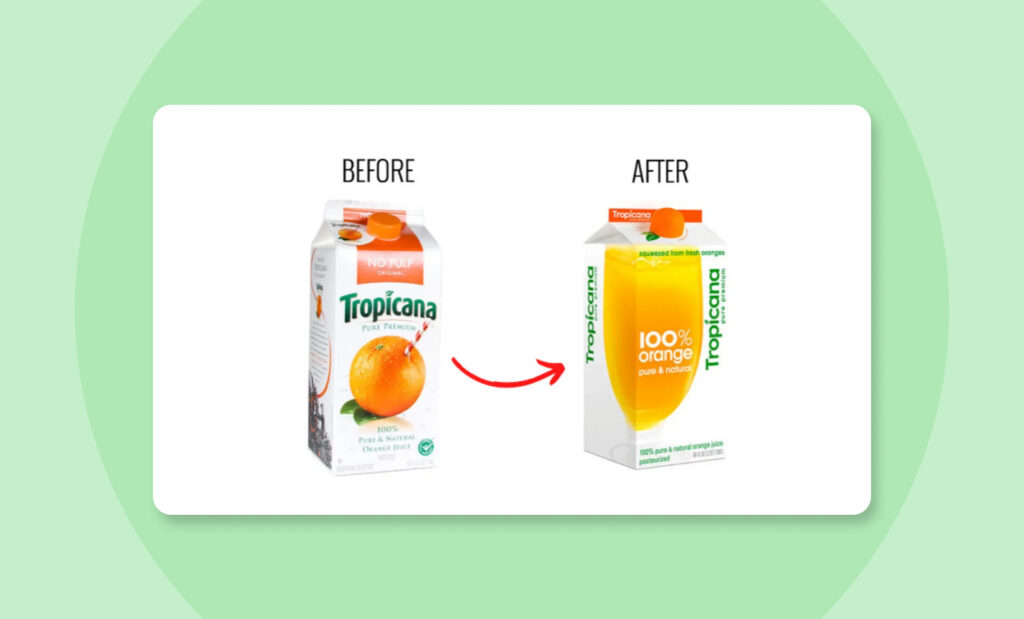
Real-world examples of strong brand identity
Need proof that identity matters? Steal a little inspiration from these masters:
Notion
Minimalist system, universal appeal. Proves that less can truly be more.
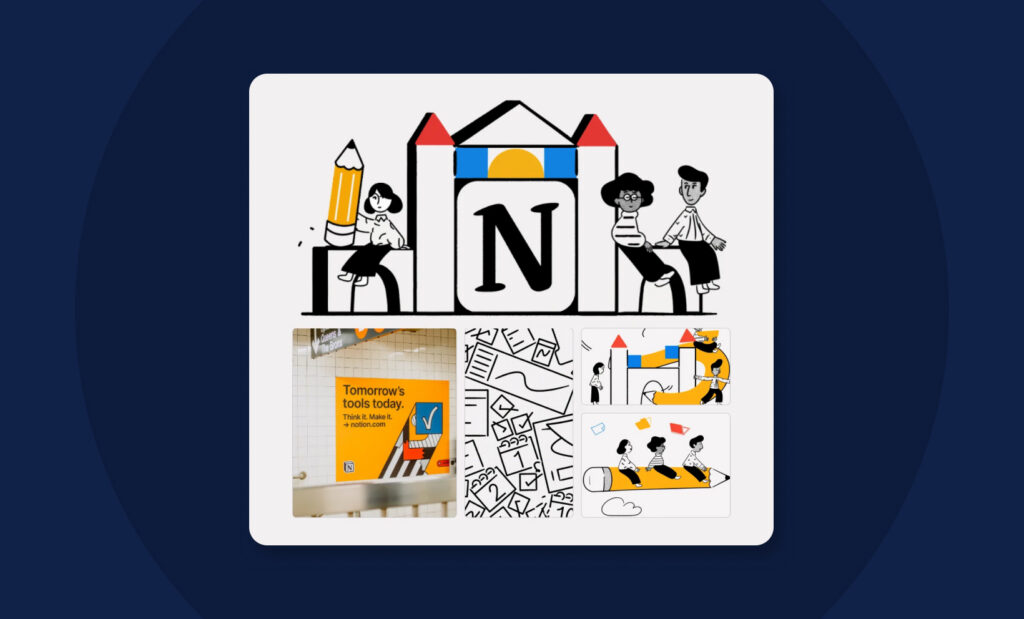
Glossier
Soft, welcoming color language tied directly to its audience. Beauty that feels like community.

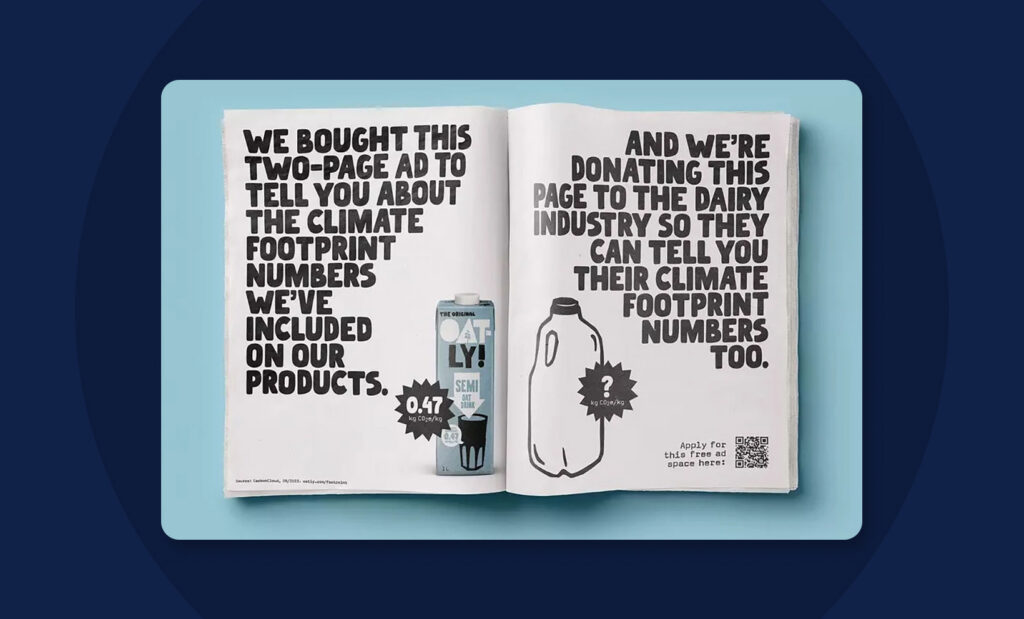
Oatly
Playful typography, irreverent tone. Shows that personality can win hearts (and shelf space).
Liquid Death
Audience-first, bold, and extreme. Turns water into a lifestyle.

Warby Parker
Premium meets approachable. Strong consistency across every channel, from web to retail.

Make your brand’s identity its superpower
Brand identity isn’t decoration; it’s the foundation of how people perceive, trust, and remember your company.
A strong identity helps founders stand out, build credibility, and connect with the right audience from the start. When you build your brand on strategy, real audience insight, and consistent execution, you create an identity that can grow with you, no matter how far you scale.
Ready for your next creative leap? Try this:
Sketch three radically different identity concepts for your brand this week—push beyond your comfort zone, and see what truly resonates.
Want more expert branding insights? Subscribe to the Design Force blog for weekly actionable guides. Or if you want help you kickstart your own brand identity and ramp up creative production, explore Design Force’s creative subscriptions services. You could have a dedicated team of expert designers on-hand in just one day.