You have three seconds. That’s roughly how long someone walking past your booth decides whether to stop.
In that fleeting moment, your event collateral — the printed and digital materials that surround your brand at conferences and trade shows — is doing all the talking. This guide covers everything you need: a definition, the 11 essential types of event collateral, real examples, and design best practices for both designers and marketers.
What is event collateral?
Business event collateral refers to the printed and digital materials companies use to promote their brand, products, or services at corporate conferences, trade shows, summits, and industry meetups.
It covers everything from a name tag at the registration desk to the brochure someone takes home, the slides shown on the main stage, and the booth that draws people in from across the room.
Each collateral does a specific job. Some pieces are designed to attract attention and pull people toward your space, others to explain what you do quickly and clearly, and others to give attendees something tangible to remember you by.
Together, they shape how your brand is experienced before, during, and after the event, often making more of an impression than the conversations themselves.
Typical event collateral types you’ll need for business events
The 11 below cover what most businesses bring to a corporate event. Next, we’ll walk through each one and the impact it can have on your business.
- Business cards
- Flyers, postcards, and brochures
- Coupons
- One-pagers
- Name tags/event ID cards
- Presentations
- Branded clothing
- Booth design
- Pop-up banners
- Interactive ideas
- Promotional items
Examples of great event collaterals that engage your audience
Business cards
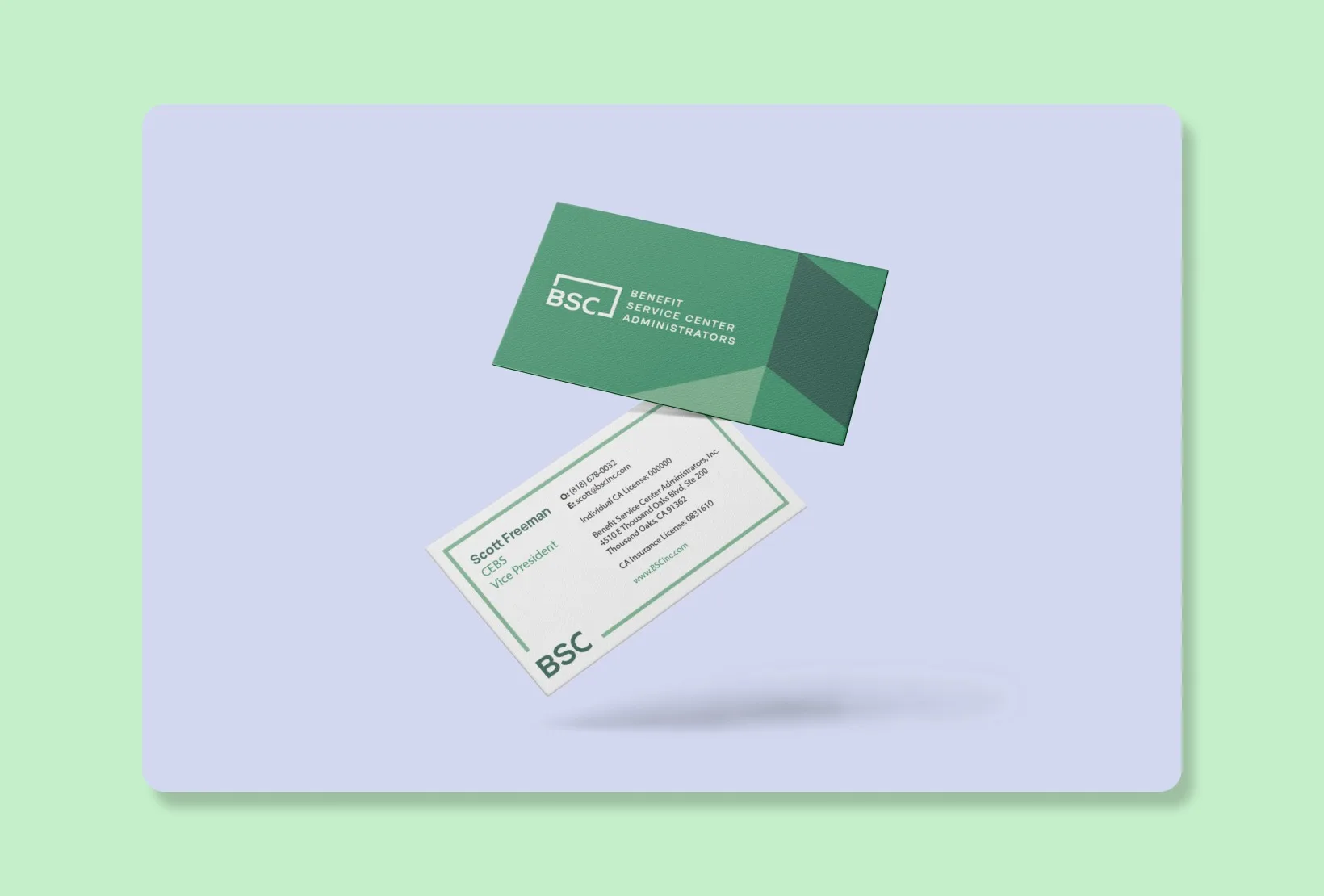
A well-designed business card instantly conveys professionalism and credibility, it shows that you are prepared and serious about your business, leaving a lasting impression. It includes essential details such as name, job title, company name, contact information, and logo, all formatted in a visually appealing manner.
How to use it in events: Share with prospects who visit your booth or anyone you’re networking with on behalf of your business.
Design tip: The design should reflect the brand’s identity and be easy to read and remember.
Flyers, postcards, and brochures
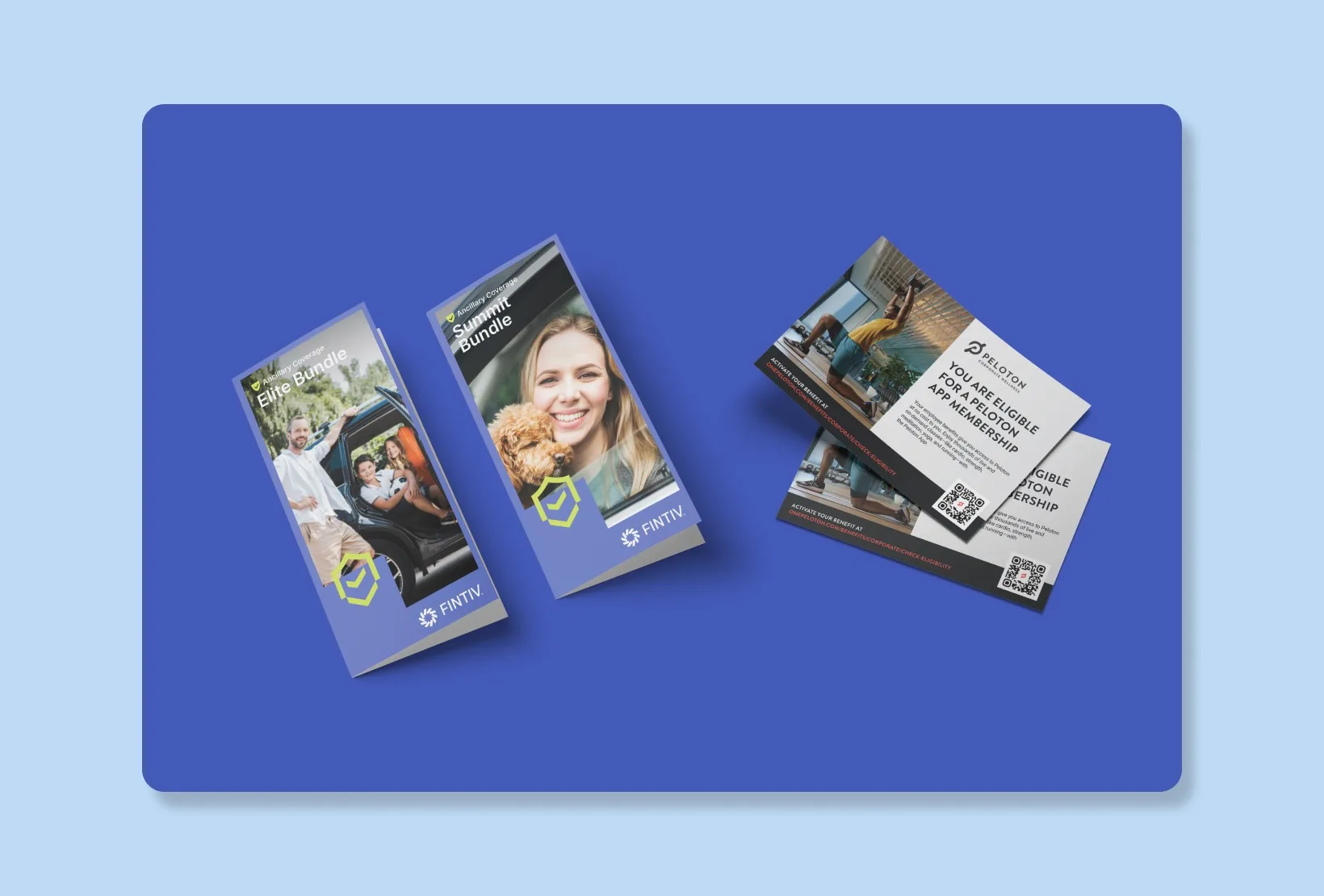
Printed materials that provide detailed information about products or services. Flyers are typically single-page documents used for quick promotions or advertising, while postcards can serve as direct mail pieces or handouts. Brochures, on the other hand, are multi-page documents that offer an in-depth look at a company’s offerings.
How to use it in events: Hand out to attendees to educate and remind them about your offerings post-event. When designed expertly, these materials turn curiosity into purchase by delivering compelling information and visuals.
Design tip: These materials should include a balance of images and text, with a clear call to action.
Coupons
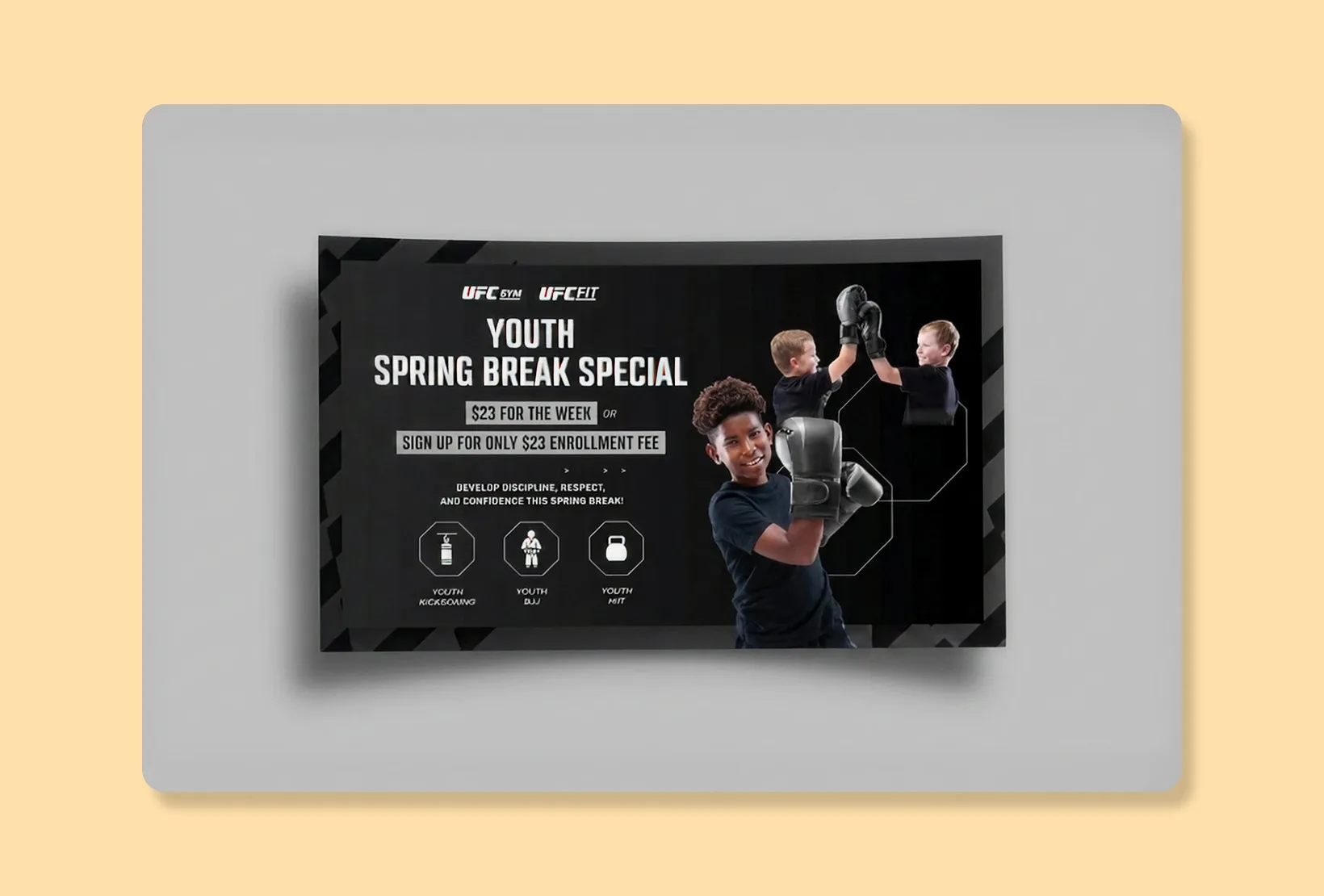
Coupons provide customers with an incentive to make a purchase or return for future transactions. They should be visually appealing and easy to understand, with clear terms and conditions. Including a unique code or QR code can help track the effectiveness of the coupon campaign.
How to use it in events: Distribute to incentivize attendees to return and make purchases. Dynamically designed coupons can increase demand for your products and services by providing an immediate call to action.
Design tip: Use bold colors and clear fonts to make the offer stand out.
One-pagers
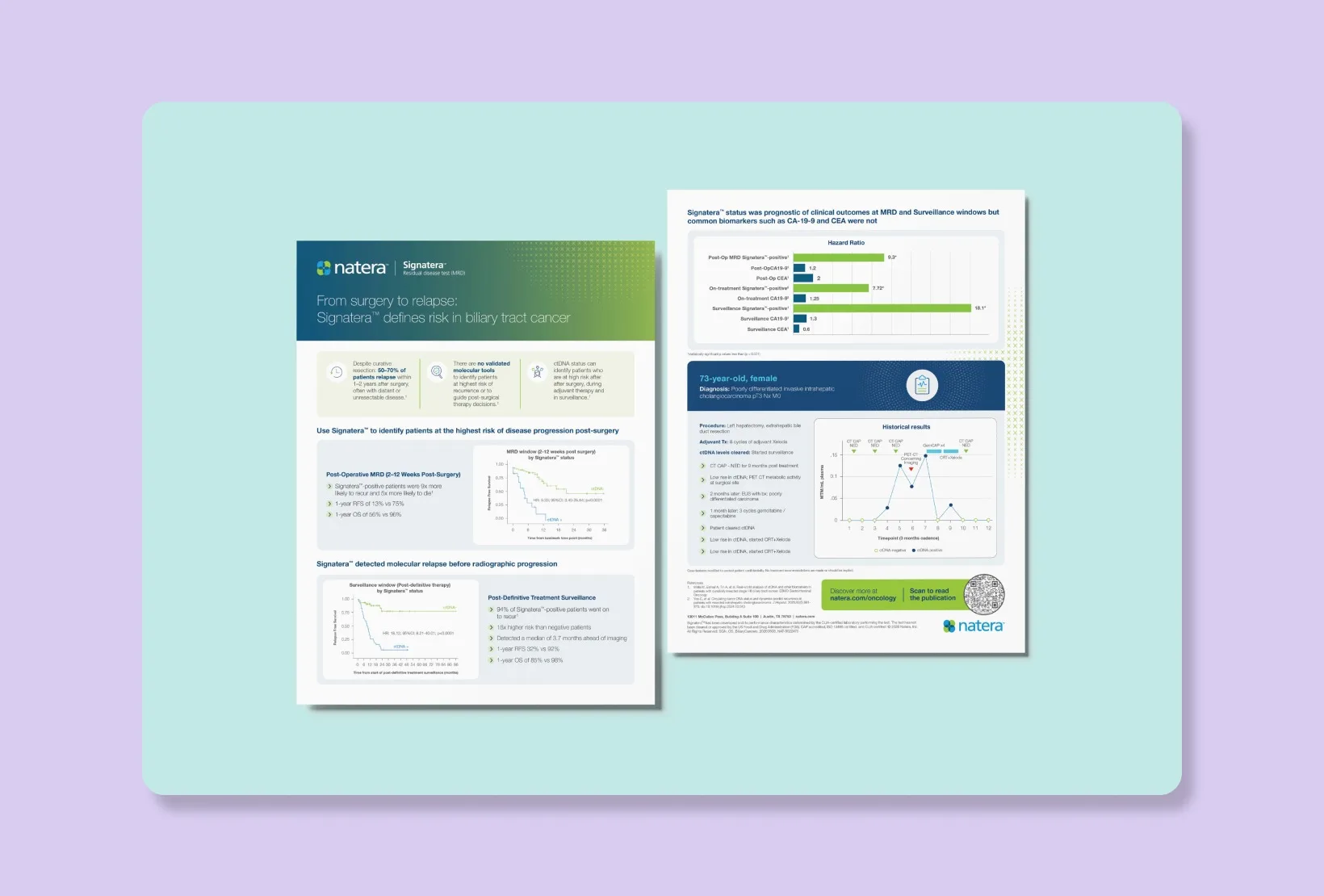
Similar to flyers, one-pagers are single-page documents summarizing key information about the company. They provide a concise overview of a company’s services, benefits, and contact information. A well-designed one-pager can serve as a quick reference for potential clients.
How to use it in events: Hand it out at the booth as a quick-grab takeaway, or include it in welcome bags and follow-up emails. Keep the messaging tight so prospects can scan it in under a minute and walk away with a clear sense of what your company offers.
Design tip: Lead with the most important information at the top, use bullet points and headers to make it scannable, and balance images with text so the page feels easy to read at a glance. Want a head start? Download our free guide, How to Design a Business One-Pager that Stands Out, for templates and layout principles you can use right away.
Name tags/event ID cards
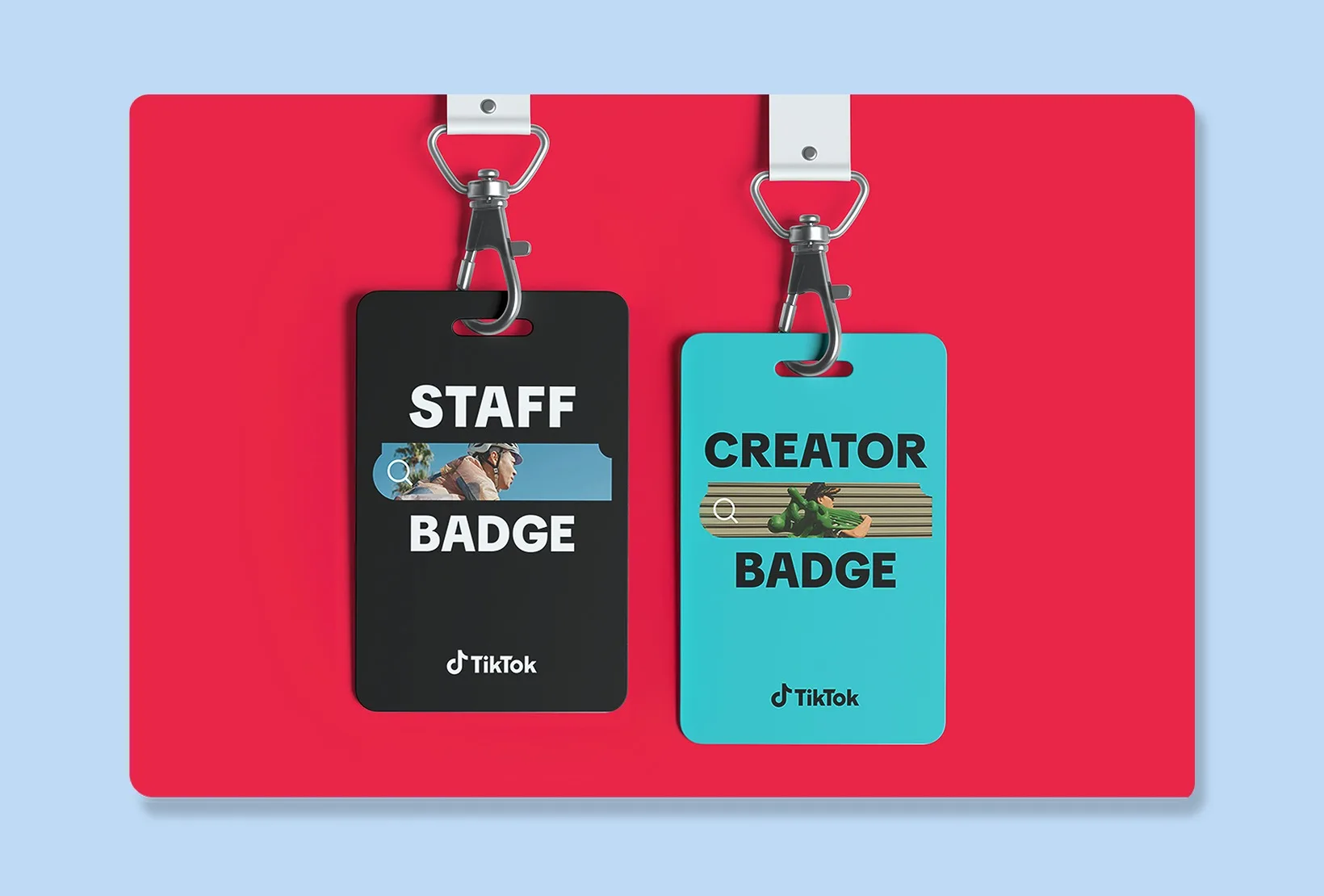
Identification cards are worn by your team event participants. These cards typically include the attendee’s name, company, and role, and can also feature the event logo and branding.
Thoughtfully designed ID cards can make attendees feel welcome and facilitate networking by making it easy to identify and approach individuals.
How to use it in events: Hand them out at registration and make sure every team member wears one on the booth floor.
Design tip: Print the name larger than the title so people can read it from a few feet away, and keep the design simple enough that conversations open with eye contact, not squinting.
Presentations
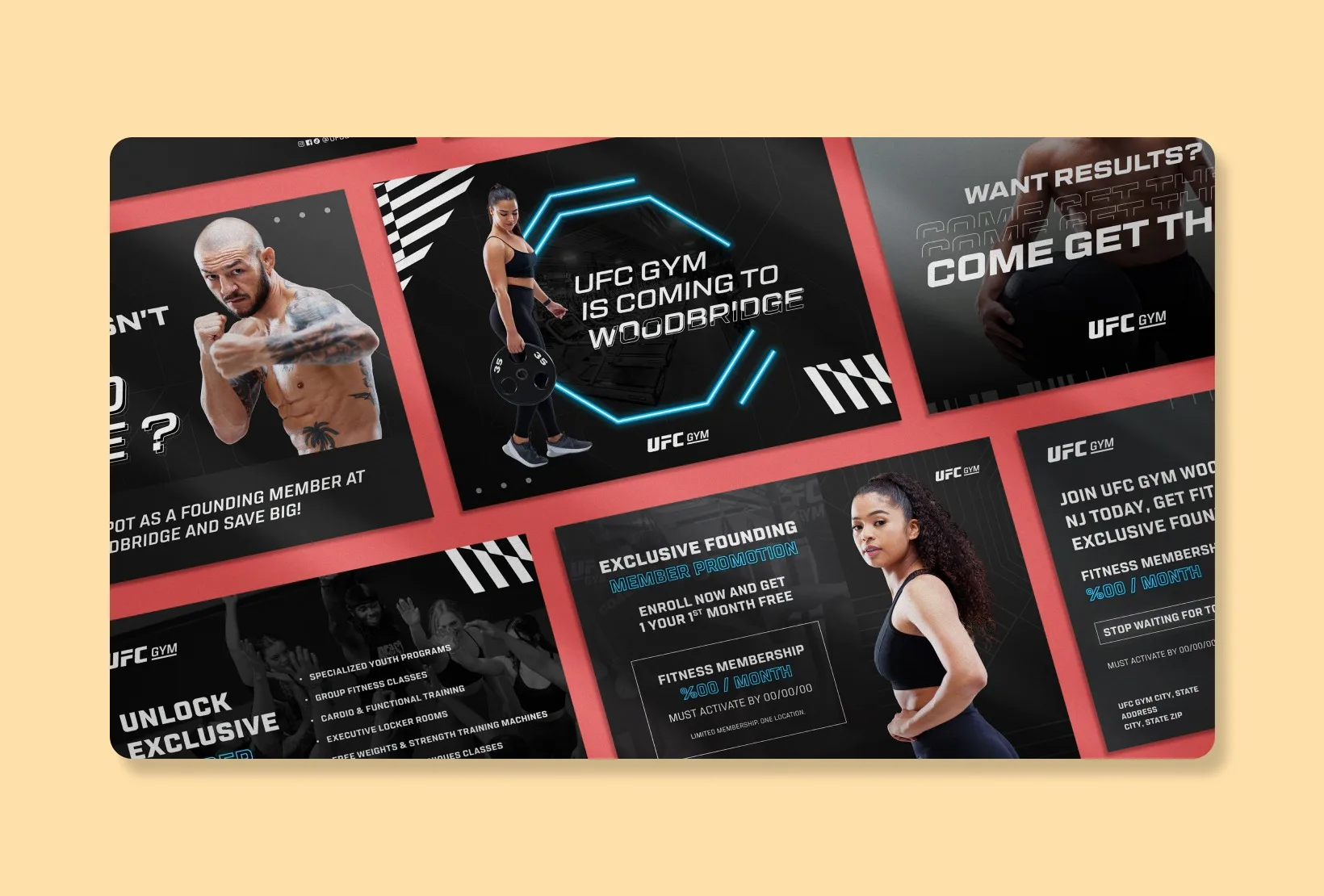
Slideshows or other visual aids are used during speeches or demonstrations to capture and maintain audience interest. They should be well-structured, with a logical flow of information and engaging content that leaves a lasting impact on the audience.
How to use it in events: Use them on the main stage, in panel sessions, and at the booth for product or service demos.
Design tip: Keep one idea per slide, lean on visuals over text, and end with a clear takeaway or call to action so the audience leaves remembering one thing, not ten. Use high-quality images, GIFs, videos, and minimal text per slide to keep the audience engaged.
Branded clothing
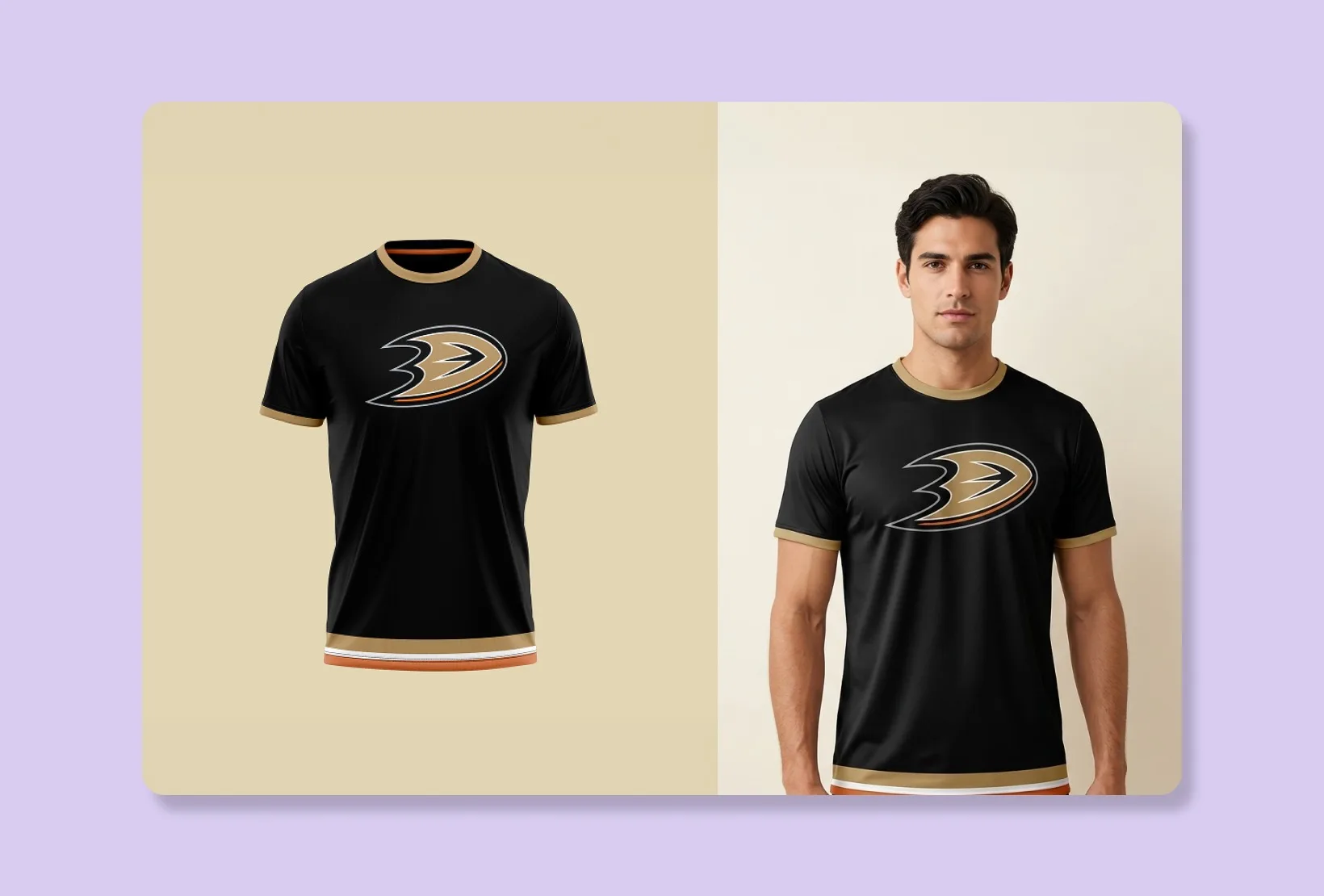
Apparel featuring the company’s logo and branding, including t-shirts, jackets, hats, and more. Branded clothing can be worn by the company team to create a cohesive presence or given away as promotional items.
They should be designed to be stylish and comfortable, making them items that people will actually want to wear. High-quality materials and printing techniques ensure durability and a professional appearance.
How to use it in events: Wear it on the team to create a unified booth presence, and give it away to attendees who join activities, demos, or contests.
Design tip: Pick pieces people will actually wear after the event so your brand keeps moving long after the doors close. Don’t forget to incorporate the logo or company name as the primary element of the design.
Booth design
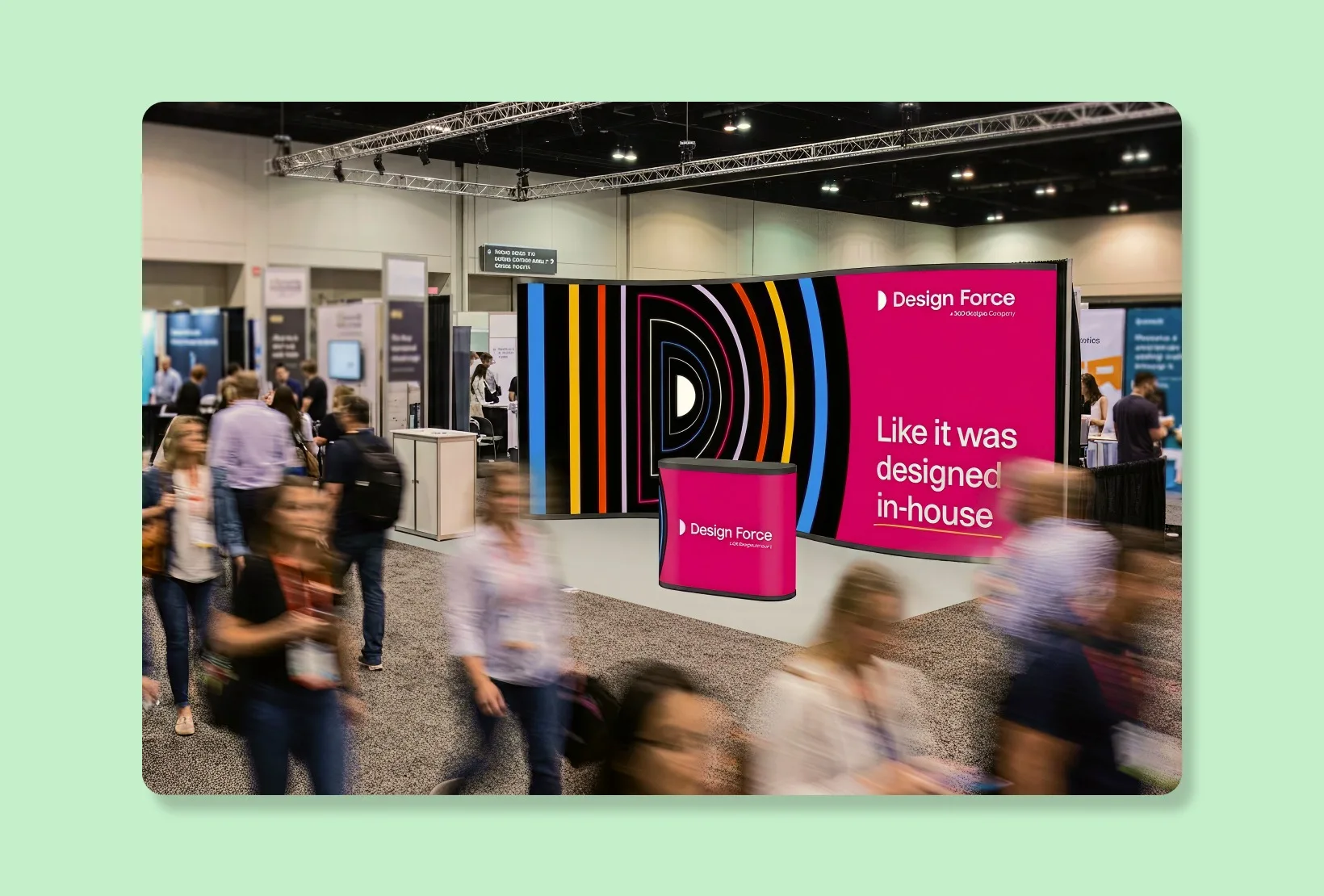
The layout and decoration of a company’s event booth. A well-designed booth should be inviting and reflect the brand’s identity, using elements like banners, displays, and interactive features to attract and engage attendees. The design should facilitate easy navigation and encourage visitors to stop by and learn more about the company’s offerings.
How to use it in events: Use it whenever you have rented floor space or a sponsorship slot with a booth. Keep the layout open and the signage readable from across the hall, and give attendees a clear reason to step inside, whether that’s a demo, a giveaway, or a place to sit.
Pop-up banners
Design tip: Ensure the booth is open and accessible, with clear signage and attention-grabbing visuals. If sustainability is part of your event strategy, consider reusable structures, lower-waste materials, and other principles of eco-friendly booth design.
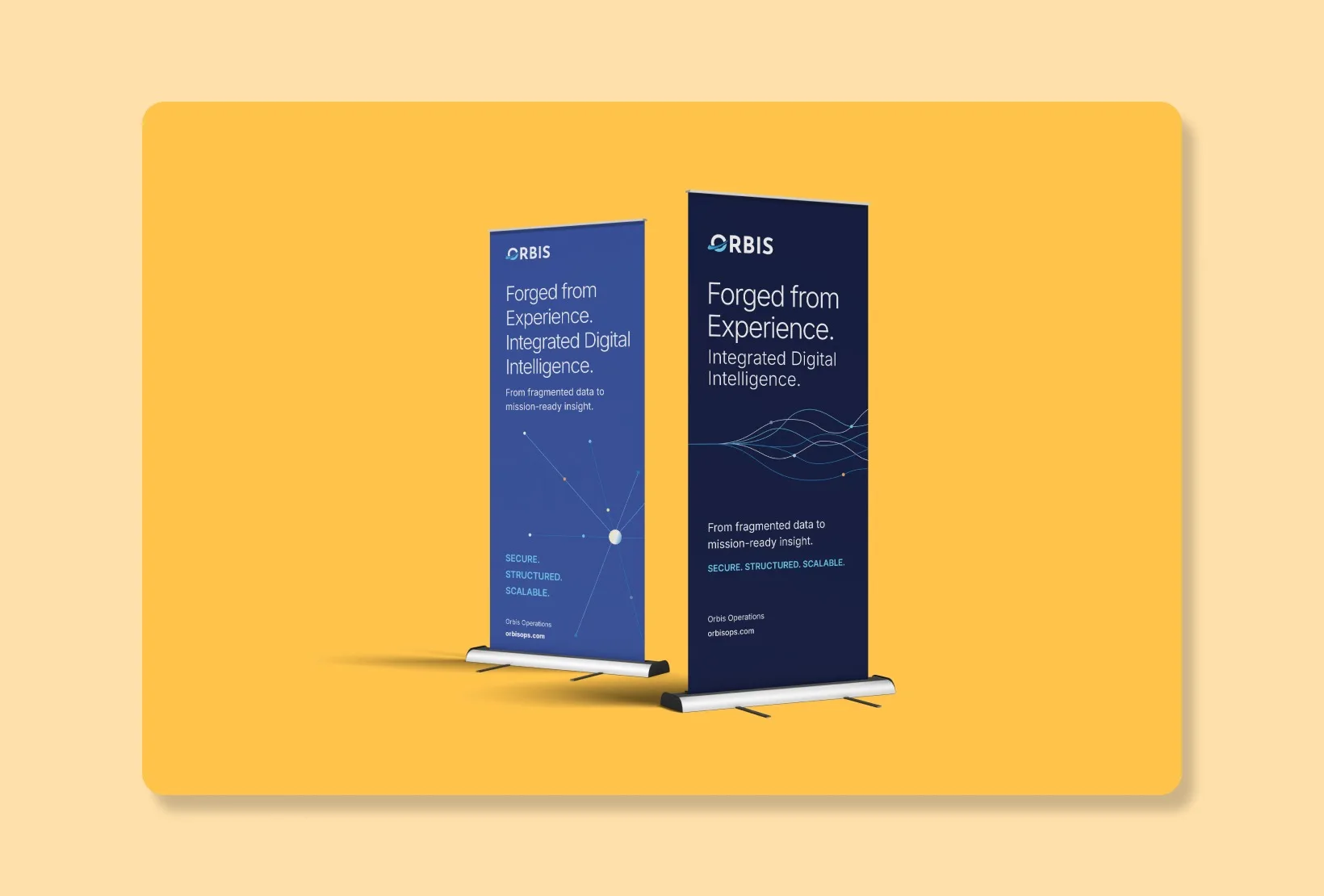
Portable banners that display promotional messages are easy to set up and transport, making them a versatile tool for events. The design should be eye-catching and align with the overall branding strategy.
How to use it in events: Place them at the entrance to your booth, near the registration line, or alongside any activities you’re running (raffles, demos, giveaways).
Design tip: Make the headline readable from at least ten feet away and keep the body copy short so passersby get the message in a glance.
Interactive ideas
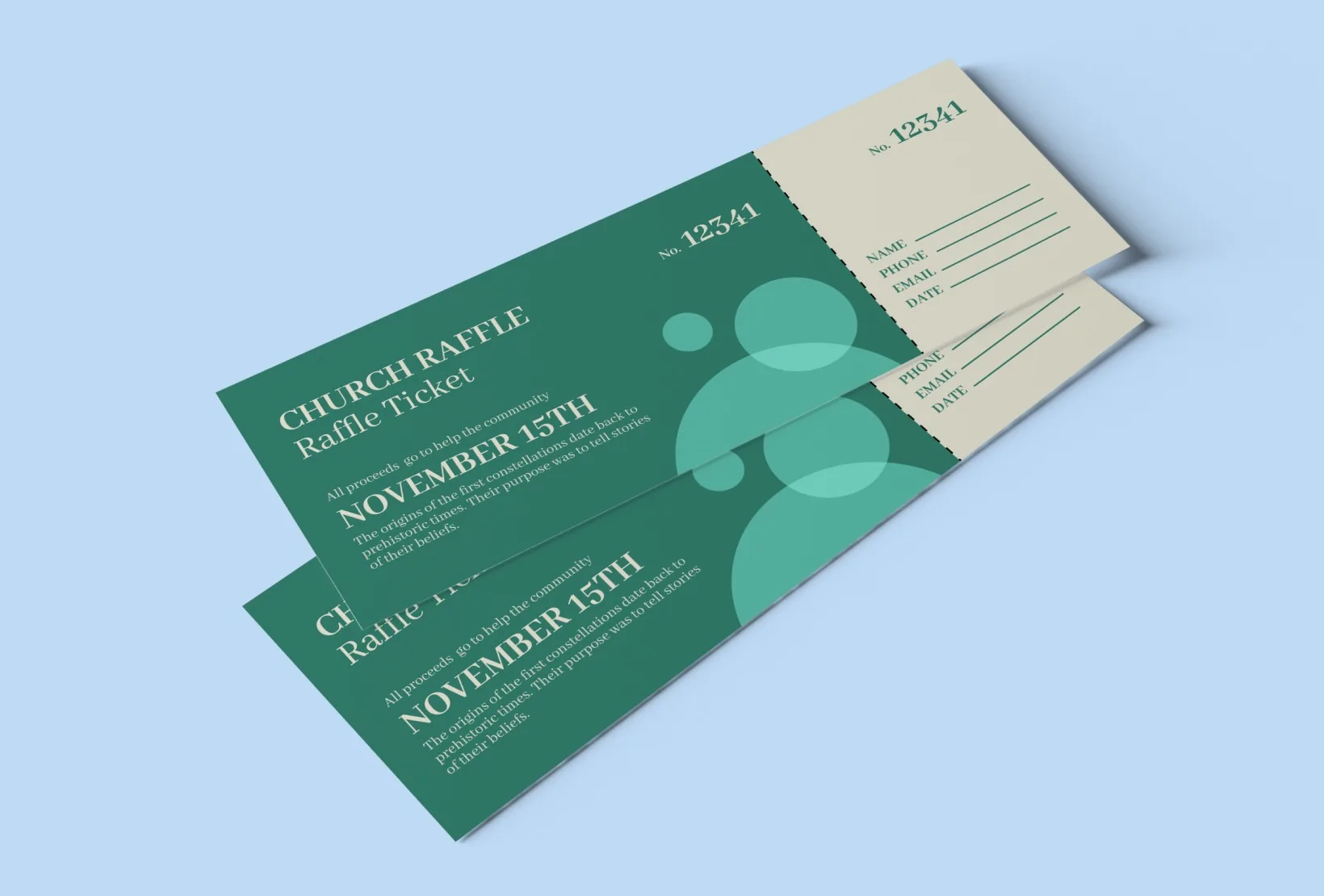
Engaging activities that involve attendees and create memorable experiences. These can include games, screens and displays, raffles and giveaways, or other interactive elements. Interactive ideas should be designed to entertain and engage visitors while promoting the brand.
How to use it in events: Build them into your booth as the main draw — games, screens, raffles, or giveaways that pull people in and keep them there. Tie each activity to your brand so attendees walk away remembering more than just the prize. Some of these could include:
- Games
- Screens and Displays
- Raffles and Giveaways
- Other Interactive Elements
Design tip: Build the visual layer with your brand in mind, from the screen graphics and signage to the prize packaging, so the activity feels like an extension of your booth rather than a generic add-on.
Promotional items
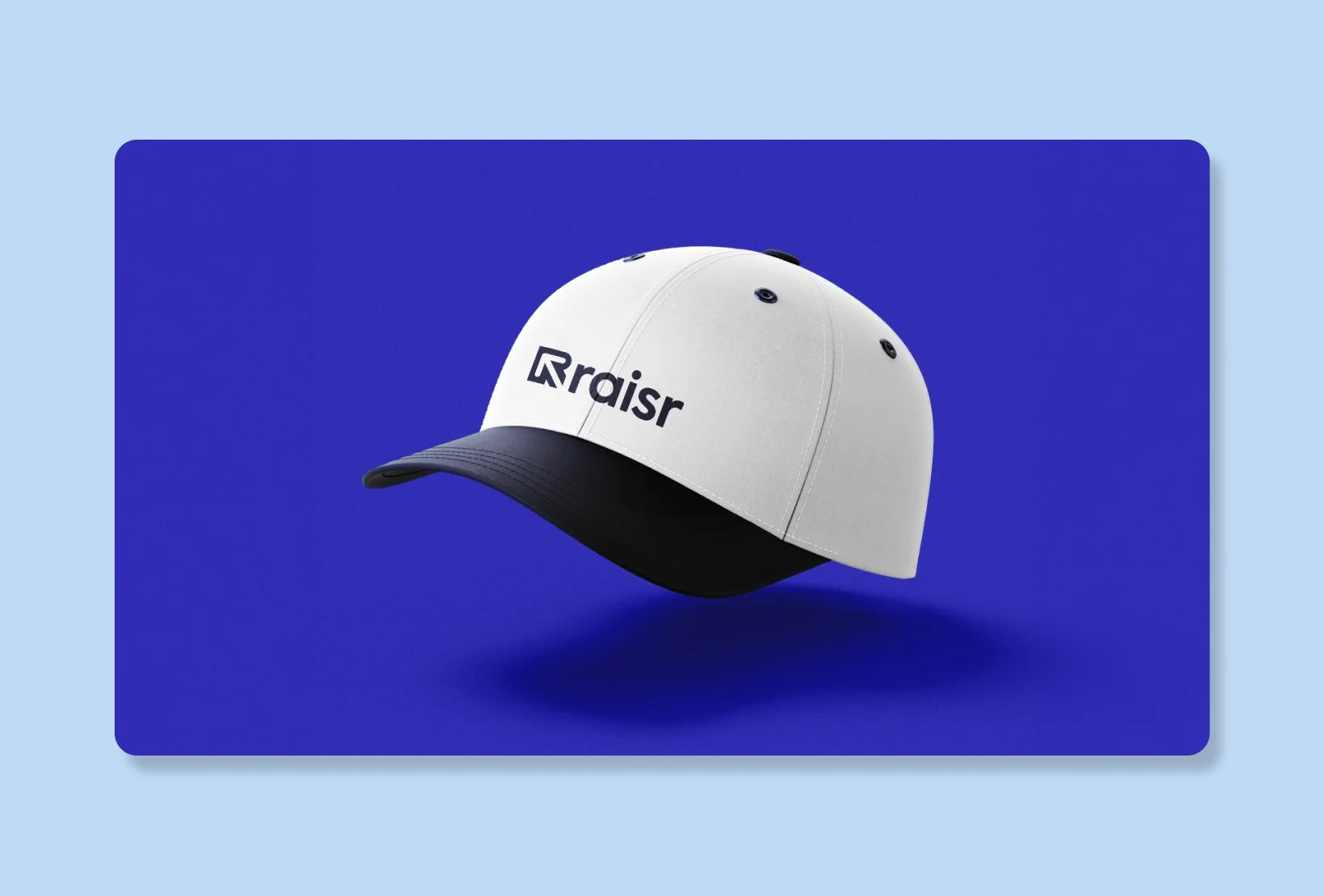
Branded items are given away to attendees as a reminder of your brand. Common promotional items include pens, notepads, tote bags, pins, stickers, and tumblers. These items should be practical and visually appealing, ensuring they are used regularly and serve as a constant reminder of your brand.
How to use it in events: Hand them out at the booth, include them in welcome bags, or give them as thank-yous after a demo.
Some of these could include:
- Pens
- Notepad/Notebooks
- Tote Bags
- Pins
- Stickers
- Tumblers
Design tip: Choose high-quality items that attendees will find useful in their daily lives. A quality notebook beats a logo stress ball, so your brand stays visible long after the event ends.
For designers: Best practices for event collaterals
Cohesive branding
- Maintain brand identity across all event materials, including logos, colors, and typography. This consistency builds recognition and trust with your audience.
- Use your brand’s voice and tone in all written content to maintain a unified message across all materials.
Creativity and attention-grabbing design
- Incorporate bold and innovative design elements that capture attention, such as unique shapes, textures, and interactive features.
- Use compelling visuals and headlines to draw in your audience. Consider using motion graphics or augmented reality elements for a modern touch.
Consistent use of colors, fonts, and logos
- Develop a style guide that outlines the specific colors, fonts, and logo placements to be used across all event materials. This ensures everyone on the team adheres to the same standards.
- Consistency in design elements helps create a cohesive look and feel, making your brand instantly recognizable.
High-quality images and graphics
- Invest in high-resolution images and professional photography to enhance the quality of your materials. Avoid using stock photos that are overused or generic.
- Utilize vector graphics for logos and icons to ensure they remain sharp and clear at any size.
Clear and concise messaging
- Prioritize clarity in your messaging. Use bullet points, short sentences, and headings to make information easy to digest.
- Highlight key information and calls-to-action with contrasting colors or bold fonts to ensure they stand out.
Print and digital compatibility
- Design with both print and digital platforms in mind. Ensure materials look great whether they are printed on paper or viewed on a screen.
- Pay attention to resolution, color profiles (CMYK for print, RGB for digital), and file formats to ensure high-quality output in all mediums.
Interactive and engaging elements
- Incorporate interactive features.
- Add QR codes or NFC tags to printed materials to link attendees to digital content, such as event schedules, speaker bios, or promotional videos.
- Use augmented reality (AR) or virtual reality (VR) to create immersive experiences that engage attendees in new and exciting ways.
For marketers: How to create event collateral that converts
Sponsoring or attending an event is already a major investment. And that’s before you’ve designed a single asset. Your event collateral helps you stand out in a room full of competitors trying to do the same. For this investment to succeed, effective event marketing collateral needs these several key characteristics:
Tangible presence: Event collateral serves as a tangible embodiment of your brand, existing in both physical and digital realms. This includes a diverse array of materials such as brochures, flyers, fact sheets, catalogs, branding guides, infographics, and presentations.
Each piece acts as a lasting reminder of your brand’s presence, leaving a memorable impression on attendees long after the event concludes.
Educative and informative: The most effective event collateral educates and informs your audience. By clearly articulating your products or services, highlighting their benefits, and showcasing your brand values, your collateral should persuade prospects to engage with your offerings.
Engaging content that is clear and concise is essential to capturing the attention and interest of your audience.
Sales support: Event collateral is an invaluable asset for your sales teams, providing them with persuasive materials to leave behind after meetings and pitches. These resources arm your sales force with the information needed to conduct more impactful discussions.
High-quality collateral aids the sales process by delivering crucial insights and compelling arguments that facilitate conversions.
Brand identity: Maintaining a cohesive brand identity across your event collateral is vital. The design elements—fonts, colors, logos, and overall aesthetics—must align with your brand image to reinforce recognition and trust.
Consistency in branding elevates your presence and ensures that your brand is both credible and memorable to event attendees.
Strategic implementation: The power of event marketing assets is unlocked through strategic implementation. This requires a deep understanding of your goals, target personas, and distribution strategies.
While creative designs and catchy copy are important, they must be underpinned by a strategic framework that aligns with your broader marketing objectives, ensuring every piece serves a purpose.
Integrated marketing: Your event collateral should be seamlessly integrated into a comprehensive marketing strategy. This involves leveraging it alongside digital marketing, public relations, and other promotional activities to generate leads and drive conversions across multiple channels.
A well-integrated approach guarantees that all marketing efforts are aligned and working together to achieve overarching business goals.
Final thoughts
Well-designed event assets are what separate a forgettable booth from a memorable one. They build brand awareness, give your sales team something to lean on, and leave attendees with a lasting reason to remember you. Investing in high-quality event collateral and following the design best practices above is what makes your event spend actually pay off.
Ready to make your next event one attendees actually remember? Design Force handles the full creative production behind your event collateral with a fully managed and dedicated team. Take a look at our portfolio to see how we’ve done it for teams like yours, and book a call when you’re ready to talk through your next event.
Our success with event collateral design
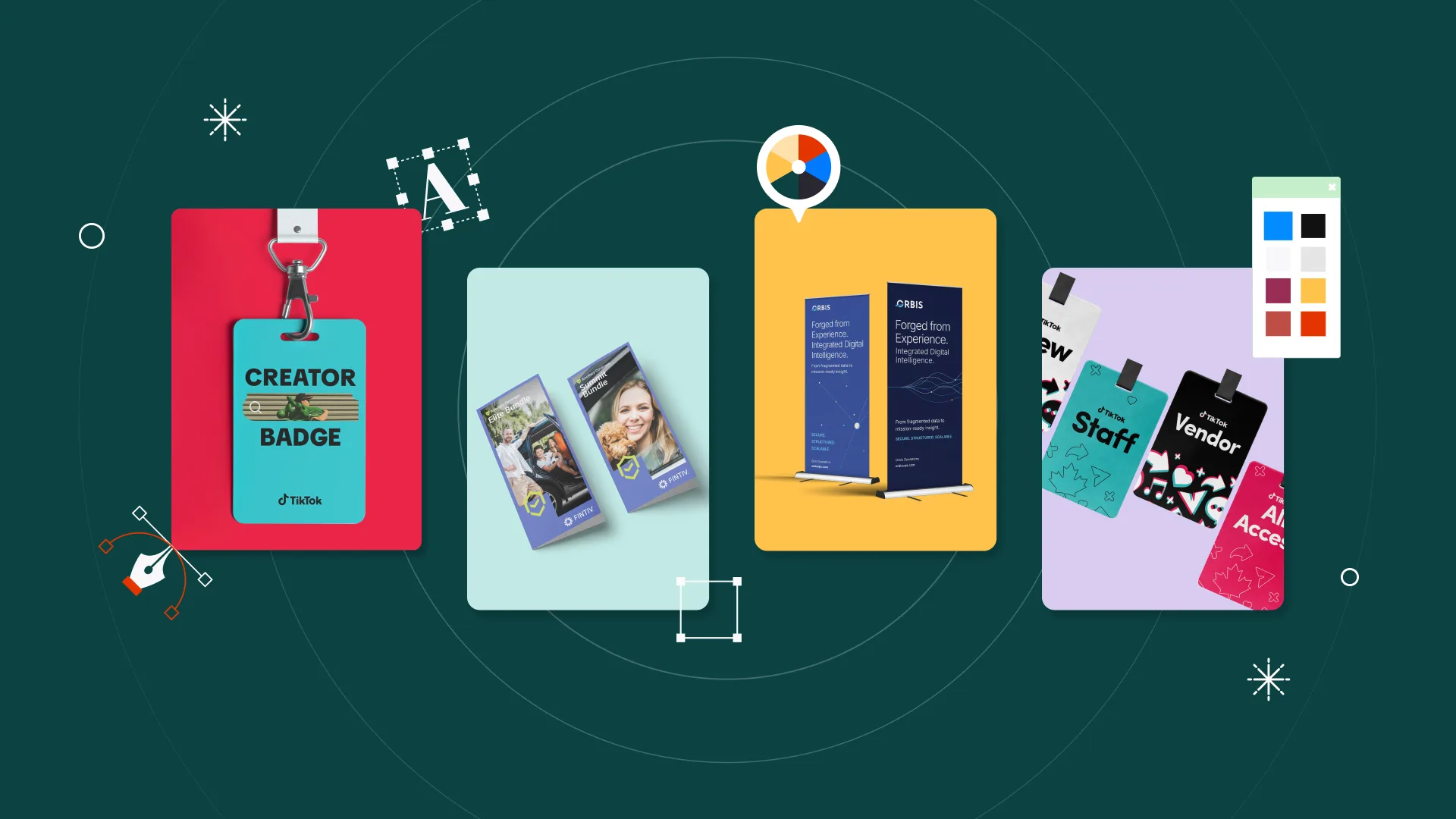
Our work on the TikTok #ForYou event earned us the Event Print Design Award from Design Rush in 2024.
TikTok’s #ForYou Event
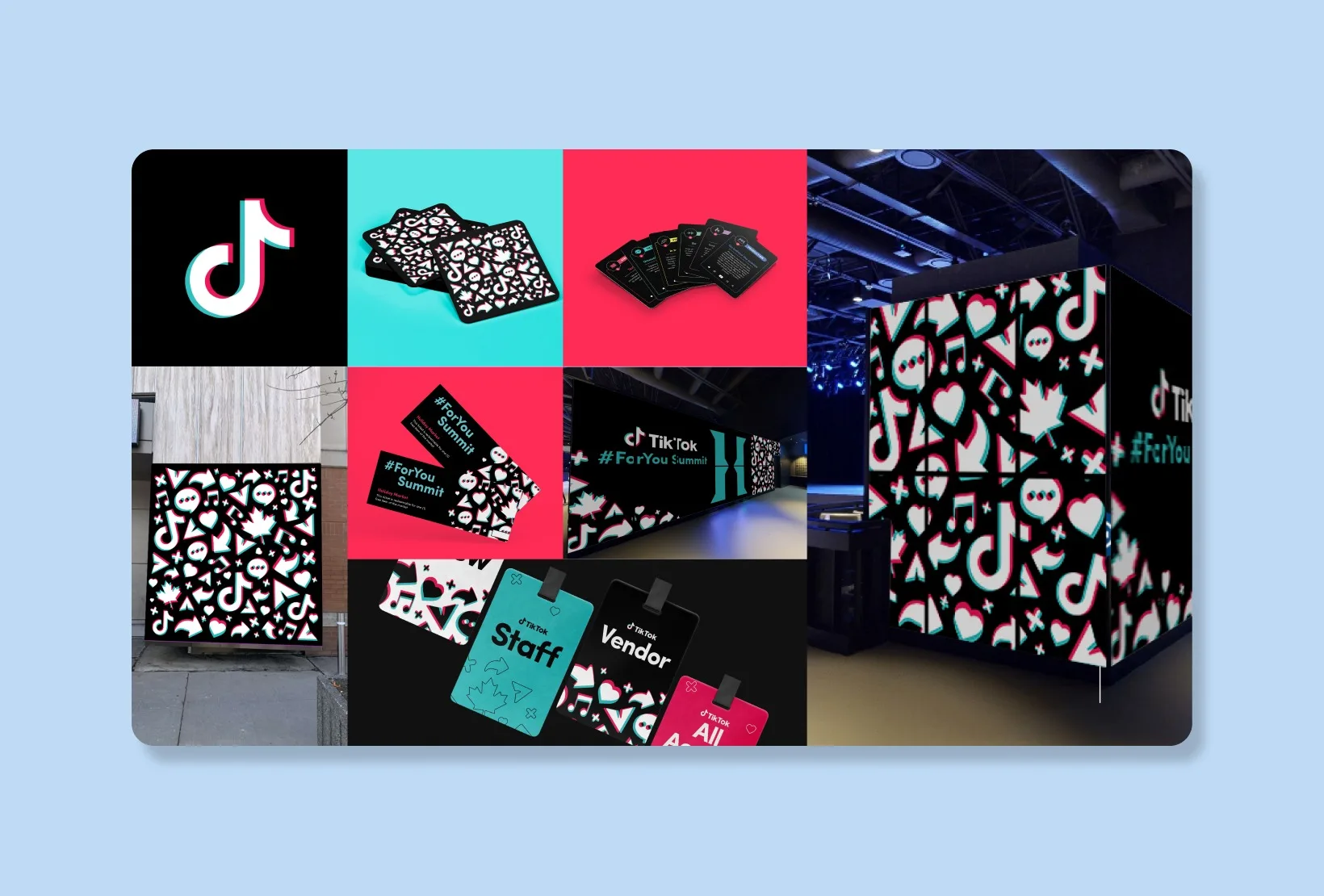
Joining forces with TikTok Canada, we pumped up the excitement for the #ForYou event in Toronto. More than 90 assets across print and digital, all shipped on a tight event timeline, all on TikTok’s brand without slipping.
Our team designed a wide range of digital and print assets including dynamic video animations, posters, backdrops, cards, coasters, event IDs, bracelets, merchandise, and tickets.